
Ready to skyrocket traffic in 2026? This guide to seo marketing shares actionable seo tips, smarter keyword research, and on-page seo quick wins that actually move the needle. Build a data-driven content strategy tailored for small business marketing, and turn browsers into buyers. Bring your marketing planner, favorite seo books, and trusted keyword research tools—plus a content marketing book for inspiration—and let’s map out a simple weekly workflow you can repeat. Save this post to stay consistent and watch your rankings rise.
Quick-Win seo tips for Immediate Traffic Gains

If you want quick wins that actually move the needle, start with the low-hanging fruit sitting right in your analytics. Peek into Google Search Console for pages with high impressions but low click-through rates and give those titles and meta descriptions a glow-up—lead with a clear benefit, weave in your primary keyword, and, yes, adding “2026” still works. Then tighten up on-page seo: use a strong H1, tidy H2s that mirror real search phrasing, descriptive image alt text, and lightweight, compressed visuals so the page loads fast on mobile. Add two or three smart internal links from your most visited posts to the pages that need love, using natural anchor text. In the first 100 words, say what the page is about plainly—no fluff, just helpful clarity. These tiny edits are classic seo marketing magic because they impact both relevance and engagement right away.
Next, do speed-dating-style keyword research. Skim autocomplete, People Also Ask, and your competitors’ headings to spot long-tail phrases with intent you can satisfy today. Spin up a quick FAQ section that answers those questions in one or two sentences each to chase featured snippets. If you’re new, borrowing a trial of keyword research tools can spotlight low-difficulty gems; pair that with insights from approachable seo books or a content marketing book to sharpen your instincts. Refresh two older posts with a fresh intro, current stats, and a new example, then add a compelling call to action—these updates often index fast. For small business marketing, post a timely offer on your Google Business Profile, ensure your NAP details are consistent, and add a couple of location-rich lines to your service pages. Finally, map these micro-moves into your marketing planner so they happen every week: one title refresh, one internal link pass, one mini-FAQ, one quick image compress, one content update. These are the kind of seo tips that stack—simple, repeatable, and aligned with a content strategy you can actually keep up with—so you’ll start seeing traffic bumps without waiting months.
on-page seo Checklist for 2026: Speed, UX, and E-E-A-T Priorities

When you think on-page seo in 2026, picture each page like a welcoming storefront: lights on fast, aisles clear, and helpful signs at every turn. The first priority is speed, because seo marketing can’t do its job if your pages dawdle. Treat performance like tidying up before guests arrive—compress images (WebP/AVIF), lazy-load anything below the fold, prune heavy scripts, and keep your CSS lean. Aim to pass Core Web Vitals with a margin, especially LCP and INP. Mobile comes first, so test on real phones, not just desktop previews. These simple seo tips are the groundwork for any content strategy that hopes to rank and convert in a world that won’t wait.
Next is UX, where clarity meets charm. Structure pages with scannable H2/H3s, short paragraphs, and generous white space. Use descriptive internal links that nudge readers deeper, add breadcrumbs, and place a clean table of contents near the top. Pair every primary topic with intent-led keyword research so your layout mirrors the questions people actually ask. If you’re choosing topics, lean on your favorite keyword research tools to group semantically related queries and turn them into sections, FAQs, and helpful visuals. Think: fast answers above the fold, deeper guidance as you scroll, and gentle calls to action that feel like a friendly hand, not a hard sell.
Finally, E-E-A-T is your trust glow-up. Showcase real experience with original photos, step-by-step demos, and “what worked/what didn’t” insights. Add author bylines with credentials, cite reputable sources, and date your updates so readers know the advice is fresh. Include a clear contact page, privacy policy, and product or service guarantees to reinforce trust. For small business marketing teams, a simple marketing planner keeps updates rhythmic, while a couple of dog-eared seo books or a favorite content marketing book can sharpen your voice and process. Stitch it all together with schema (FAQ, HowTo, Author) and you’ve got an on-page foundation that quietly does the heavy lifting—speed, UX, and credibility in one graceful package.
Content That Ranks: Building a Data-Driven content strategy
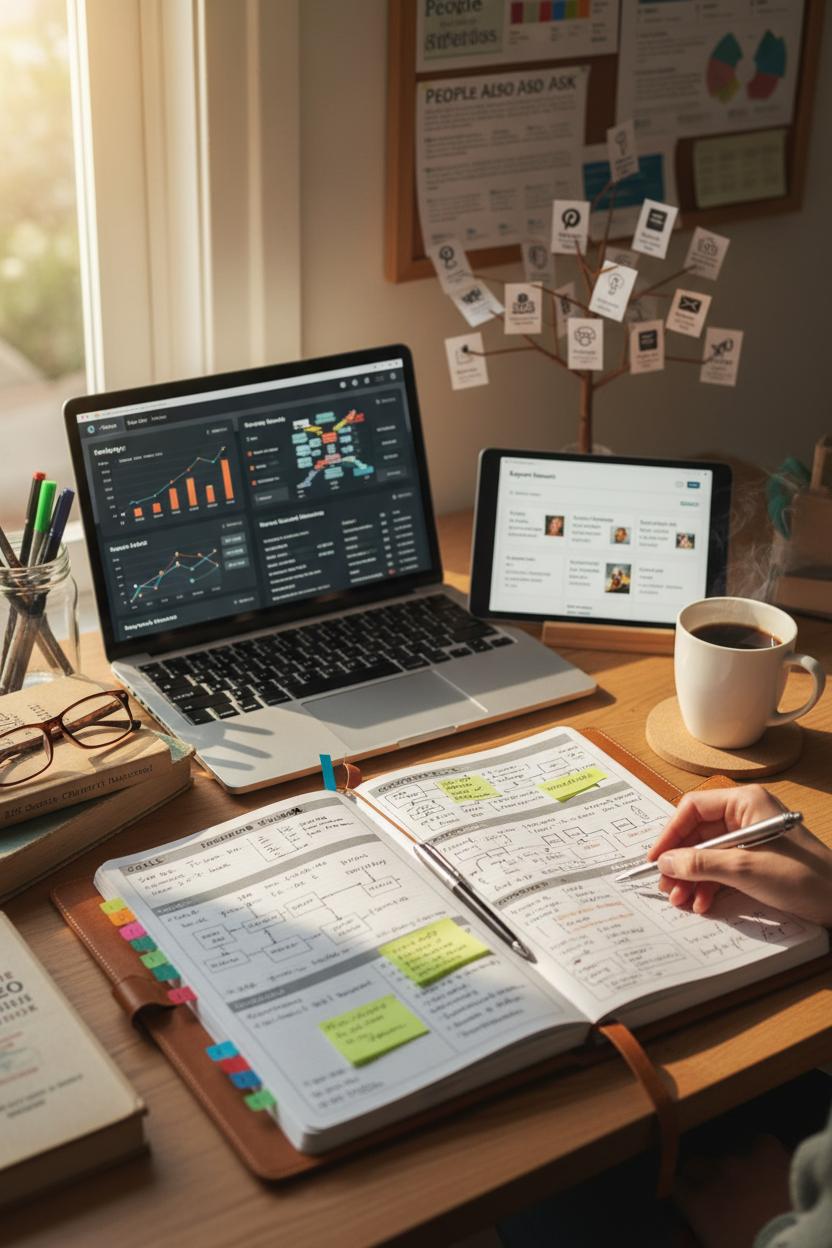
The secret to content that ranks is simple: let the data choose the stories you tell, then layer in your brand’s warmth. Start by defining your goals—traffic, leads, or sales—and sketch three to five content pillars that map to them. Peek into Search Console and Analytics to see what people already discover you for, then scan People Also Ask, autocomplete, and competitor gaps to catch the low-hanging fruit you’ve missed. Build topical clusters with clear intent: an anchor guide, supporting how-tos, comparisons, and FAQs. During keyword research, group head terms, long-tail phrases, and questions by stage of the funnel. Validate with your favorite keyword research tools, note seasonality, and prioritize by potential impact. I like to park everything in a marketing planner with color-coded tags; it keeps small business marketing goals visible and practical. On my desk, there are always a couple of dog-eared seo books and a trusted content marketing book—handy companions when I’m shaping the voice and outline.
When you write, make on-page seo second nature. Craft a magnetic title that includes your primary term, a meta description that teases the payoff, and H2s that mirror your cluster’s subtopics. Front-load answers in the first 100 words, weave in internal links to related pieces, add descriptive alt text, and support claims with stats or mini case studies. Think helpful, skimmable, and visually rich—perfect for repurposing into pins, carousels, and email snippets. Then measure ruthlessly. Track rankings, impressions, CTR, time on page, and conversions; spotlight posts that earn links or climb steadily, and refresh them quarterly with new data and examples. Consolidate thin pages, expand sections that get questions, and test variations of headlines and intros. This is the heartbeat of your content strategy and the backbone of seo marketing. Keep a running list of seo tips and takeaways in your planner, and when inspiration dips, flip open those seo books or that favorite content marketing book. With steady, data-led creativity, your library becomes a compounding asset—built to rank, save-worthy on Pinterest, and perfectly aligned with what your audience is searching for.
Topic Clusters and Internal Linking: Advanced seo marketing Architecture
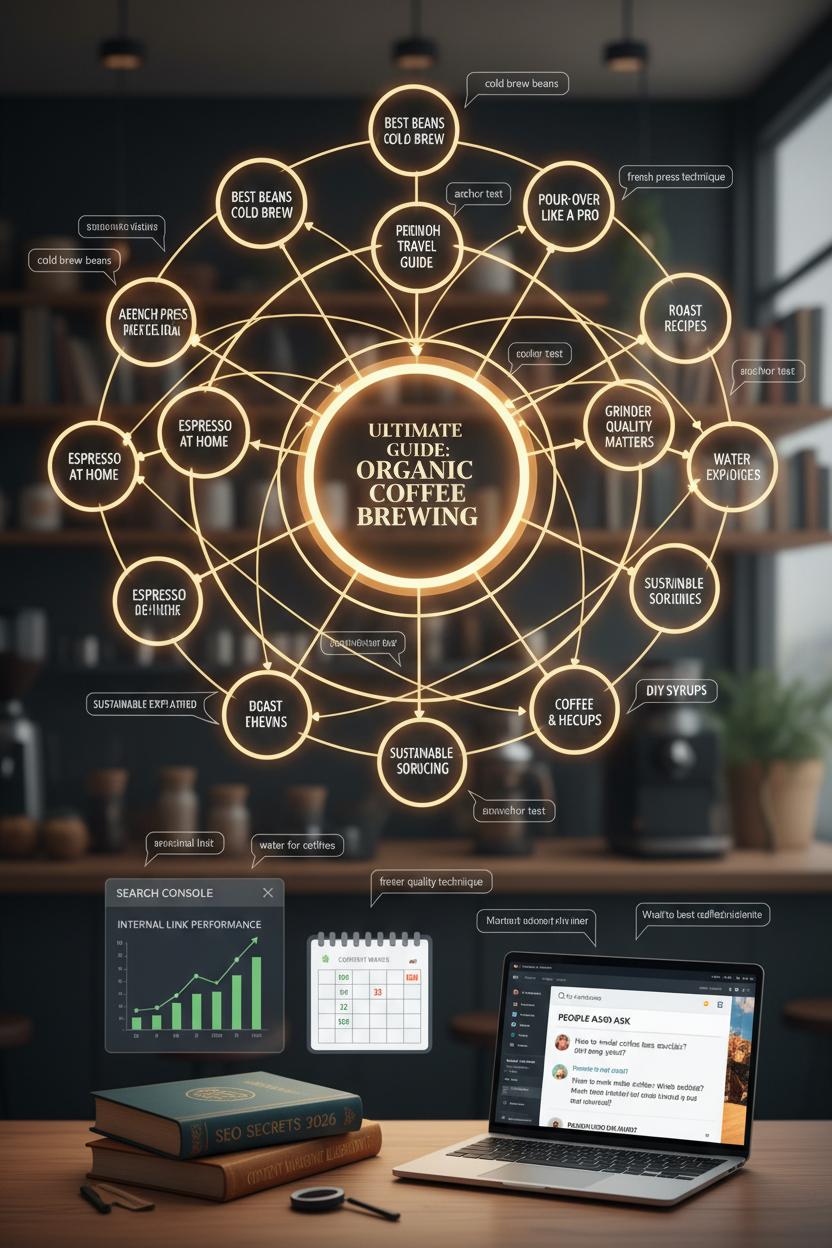
Think of topic clusters like styling a room with a clear mood board: your pillar page is the anchor piece, and every supporting article is a curated accent that ties back to it. In 2026, search engines reward this kind of intentional seo marketing because it signals expertise and makes crawling effortless. Start with one meaty pillar that addresses the core problem your audience searches for, then map 10–20 cluster posts around it, each tackling a specific subtopic or question uncovered in your keyword research. Link every cluster back to the pillar (and to each other where it’s genuinely helpful), and you’ve built a hub-and-spoke that radiates topical authority. This isn’t just a structural trick—it’s a content strategy that mirrors how people learn: broad overview first, then deeper dives, all neatly connected so readers never hit a dead end.
Internal links are where the magic compounds. Use descriptive, varied anchor text—mix exact matches with natural phrases—to avoid over-optimization, and keep important content no more than three clicks from the homepage. Add breadcrumbs, a related-articles module, and contextual links in the first 200 words of key posts to pass equity early. On-page seo details matter here: a scannable H2 structure, FAQs that link out to cluster posts, and schema to clarify relationships. Audit for orphan pages and cannibalization so each URL owns a distinct intent. Pro tip for fresh seo tips: mine People Also Ask questions and your own site search to feed new cluster ideas, then weave those answers into existing hubs to strengthen the latticework.
To make it repeatable, build a lightweight workflow: gather topics with your favorite keyword research tools, draft outlines that echo user intent at every stage of the journey, and schedule clusters in your marketing planner so releases roll out in waves. If you’re in small business marketing, this approach keeps you focused and frugal—one pillar can fuel months of social snippets, email teasers, and repurposed assets. Keep a couple of well-reviewed seo books or a practical content marketing book nearby for inspiration and process ideas. Measure internal link performance in Search Console, refresh winners seasonally, and keep expanding clusters until you’re the cozy, go-to corner of the web on your topic.
Small Business Playbook: small business marketing with Local SEO, Maps, and Reviews
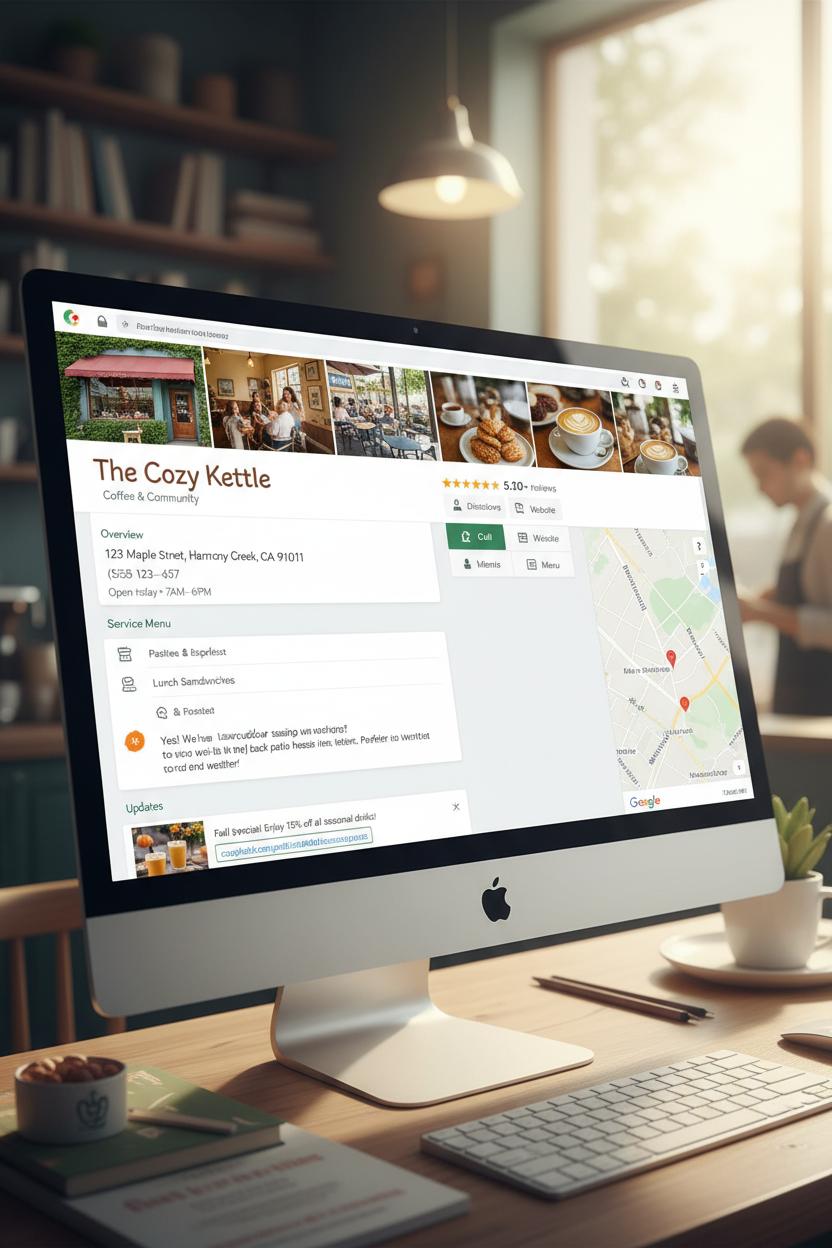
If you’re a brick-and-mortar darling or service pro, this is your cozy corner of seo marketing: make Maps your storefront window and reviews your string lights. Start with your Google Business Profile and mirror it on Apple Maps and Bing Places—consistent name, address, phone, hours, and categories. Add lush photos that feel like stepping inside, sprinkle in service menus, and answer Q&A with warmth and clarity. Update posts with seasonal promos or events, and use UTM-tagged links so you can see which clicks came from Maps. These are the simple, high-return seo tips that quietly compound, especially for small business marketing where proximity and trust do the heavy lifting.
Bring that same intention to your website with local-friendly on-page seo. Build a location page that reads like an invitation: parking tips, nearby landmarks, neighborhood names, and a lightweight embedded map. Use LocalBusiness schema, tidy internal links, and headings that fold in natural phrases from your keyword research—think “near me” variants, street names, and service + city terms found in your favorite keyword research tools. Then weave it into a content strategy that feels useful and saveable: mini neighborhood guides, “before and after” stories, FAQs about pricing and timing, even a behind-the-scenes post sourced from a content marketing book or two. Pair that with reviews on-page (with permission) to echo your social proof and strengthen topical relevance.
Reviews are your love letters in the wild. Make it effortless to leave them with a short link, QR code at checkout, and a sweet, timely follow-up. Reply to every review like a neighbor—thank them, mention the service and city naturally, and invite them back; those replies reinforce relevance without sounding stuffed. Track the ripple with UTM codes and a simple marketing planner, and sharpen your approach each month. If you’re learning as you go, skim a couple of seo books for fundamentals and keep a running swipe file of prompts and captions. This isn’t just optimization—it’s hospitality, translated into search. With steady care, Maps visibility and genuine reviews will carry your local brand further than any ad sprint, and they’ll keep paying off long after you’ve put the kettle on.
EEAT-Focused Content: Expertise Signals, Authors, and Citations
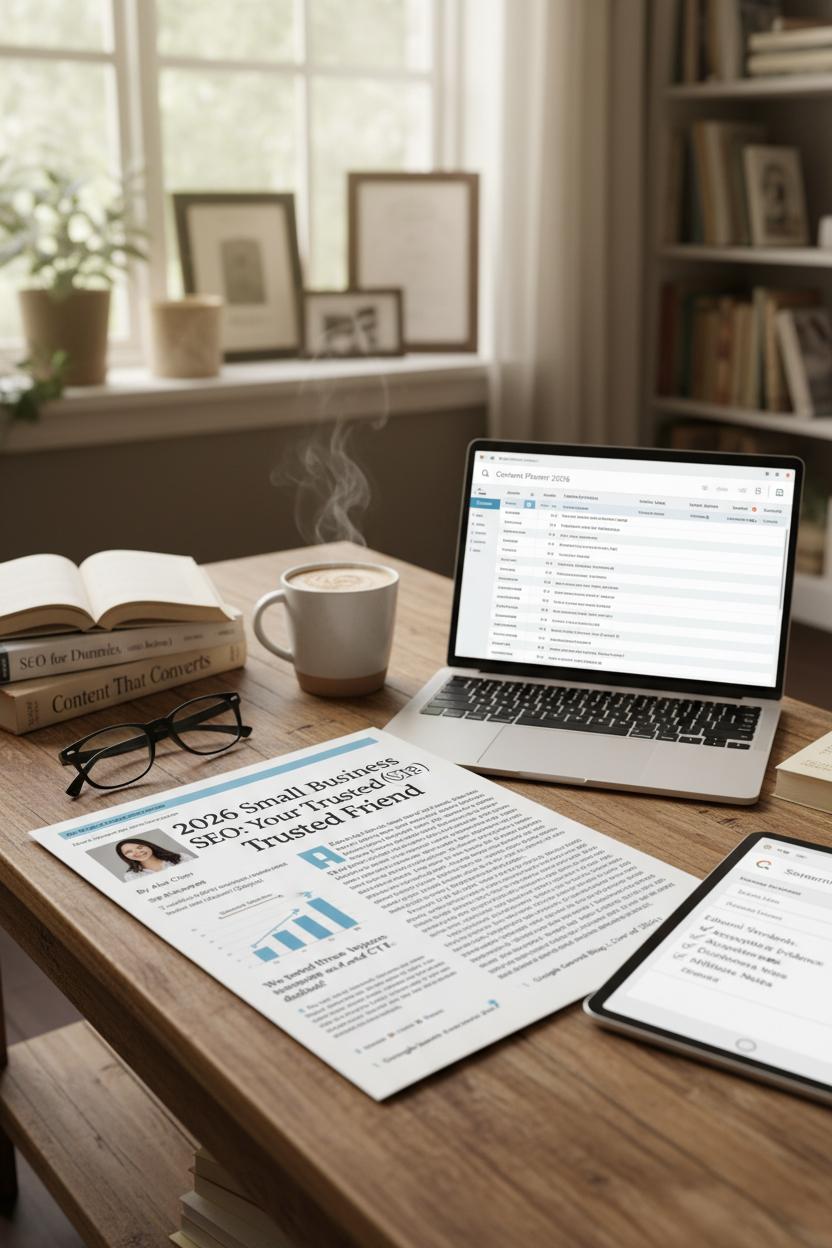
If you want your 2026 seo marketing to feel like a trusted friend, build EEAT into every word: show your expertise, your hands-on experience, and your receipts. Start with real authorship. Give every piece a byline, a cozy headshot, and a short bio that speaks to why this person knows the topic—years in small business marketing, certifications, or lived experience from running campaigns. Weave in first-person detail where it matters (“we tested three layouts and the CTR doubled”), and back it all up with citations to primary sources, not just aggregator posts. Think of each article as a styled coffee table moment with footnotes: beautiful, but grounded in proof that earns clicks and keeps readers returning.
Make EEAT part of your on-page seo checklist. Add publish and update dates, link transparently to studies, vendor docs, and industry benchmarks, and quote practitioners with full names and roles. Use structured data for authors and articles so search engines can understand your credibility at a glance. Then let your content strategy mirror your bench of experts: map topics from your keyword research to the most qualified voices on your team, and plan refresh cycles so high-intent guides never go stale. These seo tips don’t just please algorithms; they create a reading experience that feels cared for—like opening a thoughtfully curated board where every pin is labeled and lovingly sourced.
Stack your toolkit for consistency. Keep a marketing planner where you log sources, update dates, and expert approvals; a couple of favorite seo books and a content marketing book for frameworks; and reliable keyword research tools to validate search intent before drafting. For small teams or anyone focused on small business marketing, create lightweight editorial standards: what counts as acceptable evidence, when to add a disclaimer, and how to note affiliate relationships. The result is content that looks gorgeous, reads confidently, and stands up to scrutiny—EEAT-friendly articles that convert because they’re useful, trustworthy, and unmistakably authored by people who’ve actually done the work.
SERP Features in 2026: Winning Snippets, SGE, and Video with smart seo tips
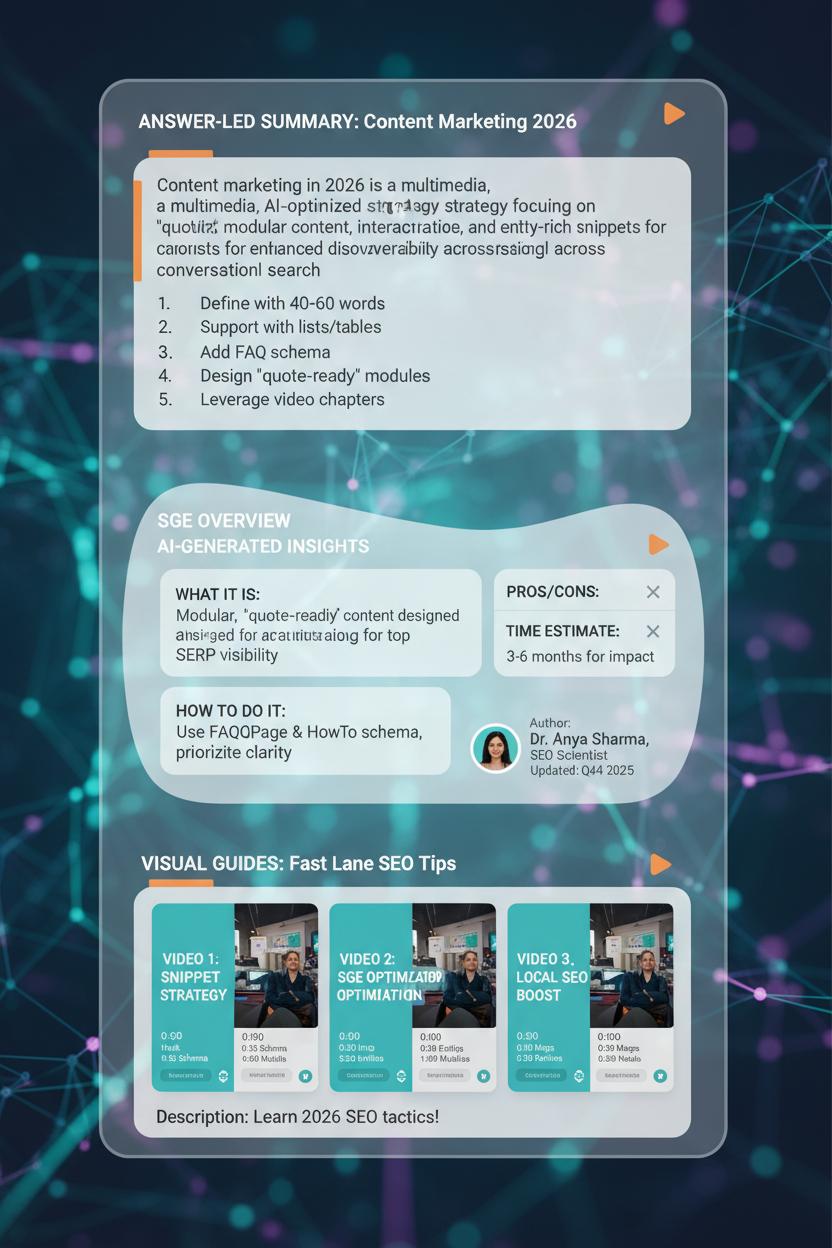
The 2026 results page is a collage, not a list—and that’s great news if you’re intentional. Think of Featured Snippets, SGE overviews, and video carousels as three gallery frames you can style to match your brand. Start with the snippet: answer-led, skimmable, and visually scannable. Lead each key page with a 40–60 word definition or solution, then support it with a crisp list, mini-table, or numbered steps. Add FAQ sections that mirror the exact questions your audience asks in search. This is where smart seo tips shine: let your keyword research guide subheads, but write like you’re texting a friend who needs help now. Schema matters—FAQPage, HowTo, and Product—because on-page seo plus structure helps Google understand, and SGE loves clarity.
For SGE, design content that’s “quote-ready.” That means entity-rich blurbs, clean sentences, and outcomes up top: what it is, who it’s for, how to do it. Use a modular content strategy—short, standalone paragraphs that can be lifted into AI-generated summaries. Add concise pros/cons, cost ranges, and time estimates to earn visibility in follow-up prompts. Strengthen trust with real author bios, dated updates, and first-hand examples. If you’re new to seo marketing, keep a running swipe file of winning snippets in your niche and reverse-engineer them. A few helpful companions: seo books to sharpen your strategy, keyword research tools to validate demand, a content marketing book for storytelling techniques, and a marketing planner to schedule refreshes so you stay current.
Video is your fast lane. In 2026, chapters, captions, and clean hooks are the trifecta. Front-load your primary term in the first 10 seconds, add timestamped chapters that mirror your headings, and include a one-paragraph summary in the description for SGE to cite. Use vertical clips to tease long-form tutorials, and keep consistent cover styles so your carousel tiles feel like a brand board. Don’t forget local and small business marketing angles—map packs and review snippets pair beautifully with quick how-tos and before/after reels. Wrap it all with empathetic seo tips: prioritize usefulness, update quarterly, and let keyword research guide you, but let your audience’s real questions lead the way.
Analytics and KPIs: Measuring ROI from keyword research and on-page seo Improvements

Pour a coffee, open your dashboard, and think of analytics as the cozy routine that keeps your seo marketing grounded in reality. Before the traffic surge, take a baseline: organic sessions, impressions, average position, click-through rate, and conversions tied to each page. Tag key publish dates, schema updates, and on-page seo tweaks so you can compare 28-, 60-, and 90-day windows without guessing. Segment by intent—informational blogs, comparison posts, and product pages—because the KPIs shift with purpose. For content meant to inspire, dwell time, scroll depth, and internal link clicks hint at momentum; for money pages, conversion rate, lead quality, and revenue per visit tell the real story. Warm tip: annotate everything. You’ll thank yourself when it’s time to prove which seo tips moved the needle.
To isolate ROI from keyword research, build cohorts of pages optimized for the same themes and track the change in impressions, CTR, and rankings distribution for those queries. If your snippets improved and clicks climbed at the same rank, that’s a win for on-page seo; if rankings and impressions soared, your keyword targeting likely hit the mark. Bring conversions into the picture with micro-goals—email signups, add-to-cart, demo requests—so you see lift even before full purchases catch up. In GA4, test data-driven attribution vs. last click to understand how content assists the sale. Then calculate ROI simply: incremental revenue (or projected LTV from leads) minus project costs—writer hours, design, any keyword research tools—divided by those costs. Seasonality matters, so compare year-over-year where you can, and use control pages you didn’t touch to keep things honest.
Tools keep this calm and repeatable. Google Search Console shows query-level wins; GA4 ties them to outcomes; rank trackers visualize the climb; and a tidy marketing planner turns insights into next steps for your content strategy. If you’re in small business marketing, start lightweight and consistent rather than perfect dashboards you won’t maintain. For deeper dives, a few approachable seo books or a well-loved content marketing book can sharpen your framework and reporting rhythm. The goal isn’t just more data—it’s a clear, friendly story of how thoughtful keyword research and on-page seo quietly compound into sustainable growth.
Resources and Next Steps: Best seo books, a practical content marketing book, and essential keyword research tools
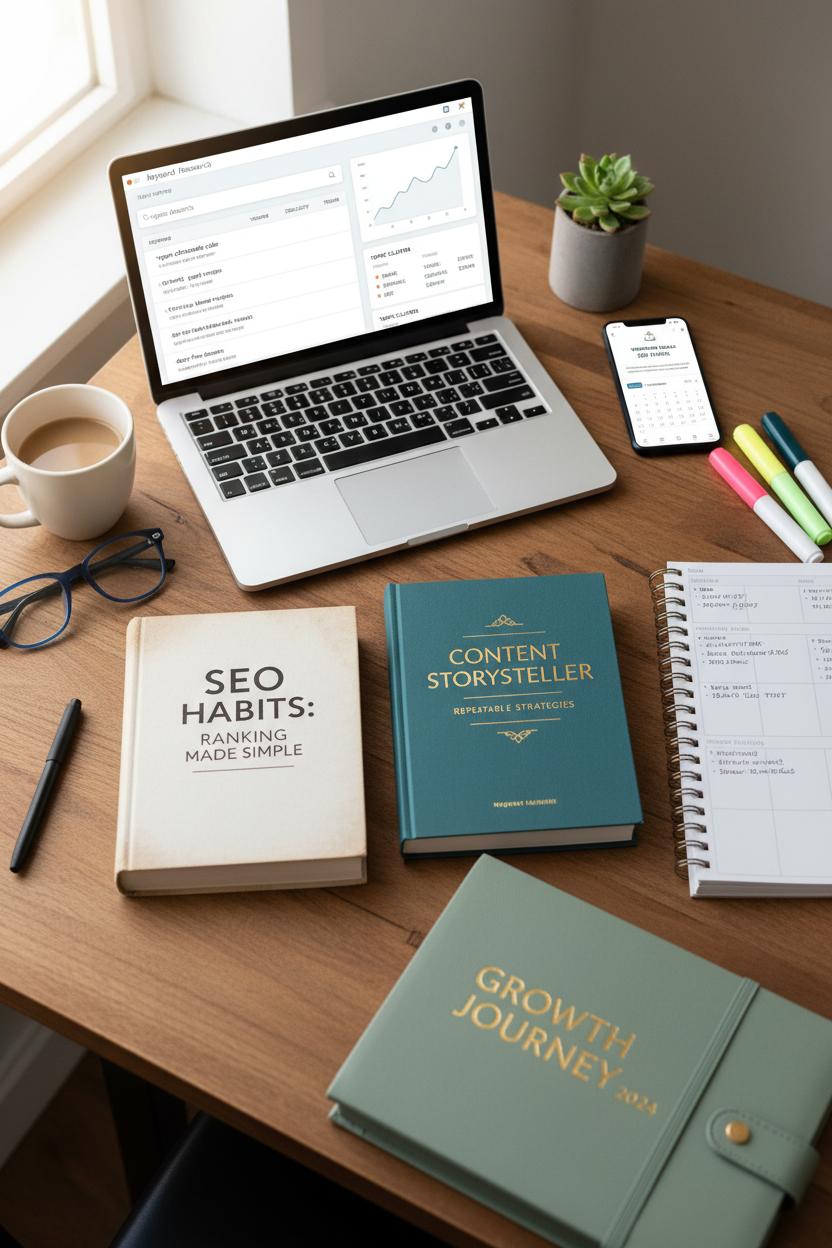
Before you dive back into drafting captions or designing pins, take a tiny pause to build a toolkit that will carry your seo marketing through the rest of the year. Start with one or two of the best seo books you can find—titles that translate ranking factors into everyday habits and give you step‑by‑step seo tips you can actually implement between client calls. Pair that with a practical content marketing book that helps you shape a repeatable content strategy: think storytelling frameworks, a simple editorial calendar, and a routine for refreshing your best performers. If you’re juggling small business marketing, tuck everything into a marketing planner you love using—digital or paper—so your ideas don’t vanish in the scroll. This trio keeps you focused on the essentials: clear search intent, thoughtful on-page seo, and a cadence you can maintain even when life gets loud.
Next, add a few essential keyword research tools to your bench. Start light: explore search suggestions, questions people ask, and seasonality to spark ideas. Then layer in a tool that shows volume ranges, difficulty, and related terms so you can spot low‑competition angles and cluster topics for authority. Keep your workflow cozy and consistent: pick a primary phrase, collect 3–5 supporting terms, and map each cluster to one page in your plan. When you publish, weave keywords naturally into titles, headers, meta descriptions, image alt text, and internal links, then circle back with monthly notes in your marketing planner to track rankings and update posts with fresher stats or better visuals. Your next steps are simple: choose one of those seo books for your weekend read, bookmark a content marketing book you’ll actually use on Monday, and test a couple of keyword research tools during your next planning hour. Small moves, repeated often, turn into momentum—and that’s the quiet magic behind sustainable keyword research, on-page seo wins, and a content strategy that keeps traffic growing long after the pin goes live.
Conclusion
Here’s your cozy nudge to wrap 2026 in growth: keep seo marketing simple, human, and consistent. Start with thoughtful keyword research, sprinkle smart on-page seo, and stitch it together with a reader-first content strategy. Small, steady tweaks + clear metrics = compounding traffic. Save these seo tips, schedule a weekly audit, and brew a coffee while your rankings rise. You’ve got this—optimize one page today, create one helpful post this week, and keep pinning progress. Sustainable results happen when you show up, stay curious, and keep serving your audience.