
Ready to boost rankings without rewriting your whole site? This off page seo cheatsheet covers link building, digital pr, and citations that actually move the needle. Learn a smart backlink strategy, find quick-win mentions, and steal my favorite seo tips you can use in 30 minutes. Bring a backlink checker, your digital marketing planner, and that dog-eared SEO book, then watch authority climb. Pin now, read later, and start stacking wins today!
What Is Off Page SEO? A Quick Primer

Think of off page seo as your brand’s reputation party happening everywhere outside your website’s walls. It’s the whispers, shout-outs, and friendly introductions across the internet that make search engines trust you more. Yes, link building is the star—each quality backlink is like a glowing recommendation—but the guest list is bigger: brand mentions, press features, podcast interviews, local citations with tidy NAP details, reviews, influencer collabs, and social buzz. All of these signals tell Google you’re credible, relevant, and loved. Digital pr blends creativity and outreach to land those earned mentions on publications your audience already reads, while citations and reviews steady your local footprint. The magic formula is authority plus relevance plus consistency—think fewer spammy links, more thoughtful relationships and real-world proof you’re worth talking about.
To make it practical, sketch a simple backlink strategy: find sites in your niche, note where competitors are featured, and create linkable assets—guides, data roundups, visuals, or tools people genuinely want to reference. Pitch guest posts that add value, offer expert quotes to journalists, pair up for co-marketing, and reclaim unlinked brand mentions when someone references you without a link. Keep anchor text natural, mix dofollow and nofollow links, and focus on pages that deserve attention (your best resources and key offers). Use a backlink checker to monitor what’s working and spot gaps, and stash your weekly outreach plan in a digital marketing planner or a cozy productivity notebook so you actually follow through. For inspiration on frameworks and storytelling hooks, flip through a trusty SEO book or a content marketing book; they’re goldmines for seo tips that elevate your pitches and make your assets irresistible. Above all, stay human: ask happy customers for reviews, engage in communities you truly care about, and show up consistently. When the web starts echoing your name—from directories to news sites to niche blogs—your off-page signals compound, search engines take notice, and your pages earn their place at the top naturally, one thoughtful mention at a time.
Link Building Fundamentals: Quality, Relevance, and Trust

When you’re building your off page seo game, think of links like cozy little votes of confidence that lead people back to your best work. Quality comes first: one thoughtful, editorial mention from a respected publication or a niche blog your audience actually reads beats a dozen random directory listings. Create linkable assets that feel worth bookmarking—original data roundups, step-by-step guides, or a beautiful checklist people want to print and pin. That’s where digital pr shines: pitch a mini story, a seasonal trend, or a unique insight and let journalists and creators discover you. Relevance is your north star, so aim for links that live in your topic neighborhood and, if you’re local, sprinkle in consistent citations across maps and directories. Your backlink strategy should feel intentional, not noisy.
Trust is the quiet magic behind the scenes. Keep your anchor text natural—brand names, page titles, and conversational phrases instead of stiff, keyword-stuffed anchors. Mix your link sources: features, interviews, resource pages, community roundups, and partnerships. Avoid spammy link swaps and “too-good-to-be-true” networks; they may look shiny but they tarnish fast. Audit with a reliable backlink checker, prune toxic links if they show up, and nurture pages that already earn love with fresh stats, visuals, and FAQs. If you’re in learning mode, curl up with a practical SEO book or a content marketing book to deepen your instincts about authority, E‑E‑A‑T, and what editors actually want to link to.
Make it a gentle weekly ritual. In your digital marketing planner, block a power hour to prospect relevant sites, send two warm outreach emails, and refresh one asset worth linking. Track the mix of follow/nofollow links, the domains sending referral traffic, and which stories land—simple spreadsheets work, or jot notes in a favorite productivity notebook. As for quick seo tips: lead with usefulness, bring receipts (original data or quotes), and design assets that are pretty enough to share. Do this consistently and your link building won’t feel like chasing algorithms—it’ll feel like building a garden of pathways that guide the right people home.
Crafting a Backlink Strategy That Scales
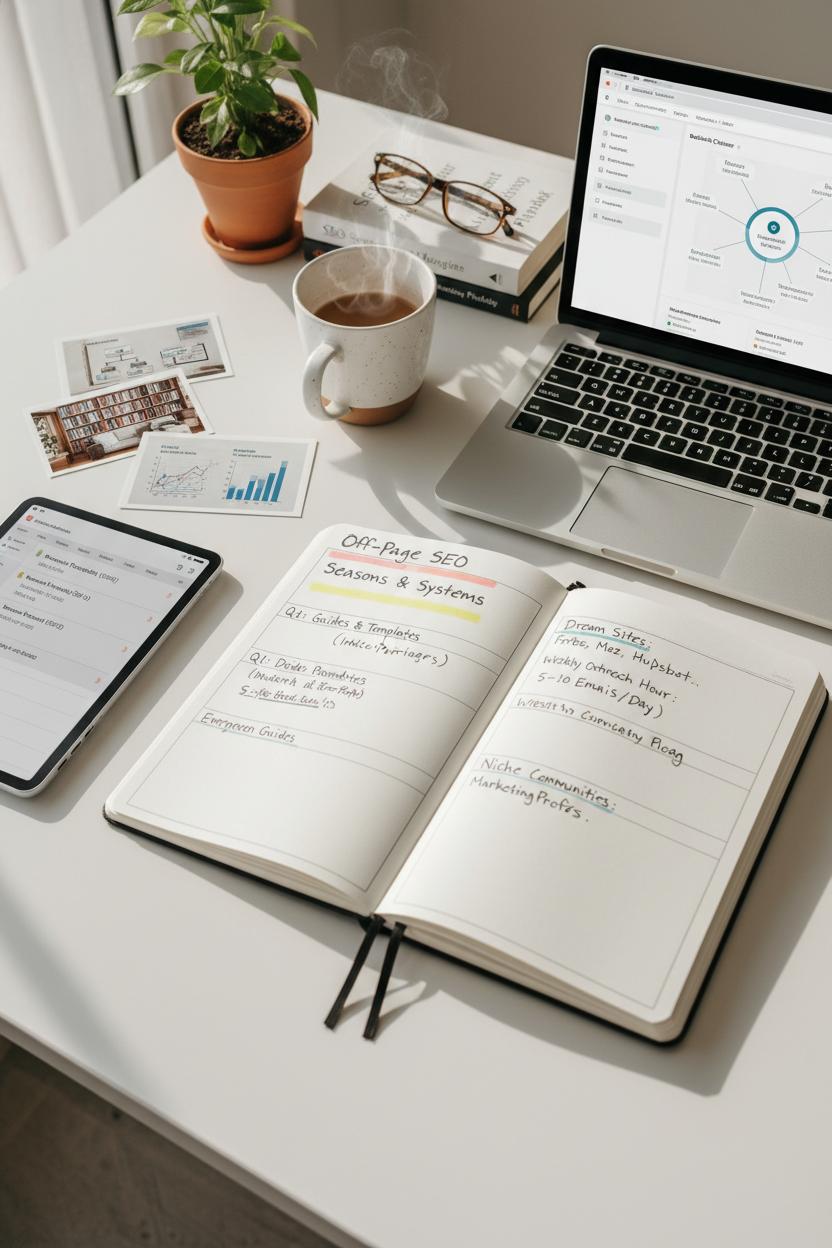
If you want a backlink strategy that scales without feeling spammy, think in seasons and systems. Start by mood-boarding your brand’s most linkable assets—those cozy, evergreen guides, templates, data roundups, and visuals people naturally want to save and share. Tie each asset to a specific audience and outcome, then map it to your outreach calendar the way you’d plan a capsule wardrobe: a few timeless pieces you can restyle all year. This is the secret sauce of off page seo—pairing intentional content with human outreach. Keep a running wishlist of dream sites and niche communities, and let your link building grow in gentle rings from local partners and collaborators to industry blogs and curated newsletters. A good backlink checker will help you uncover gaps and gather inspiration from who’s already linking to content like yours.
Make the workflow light and repeatable. Each week, pick one hero asset, research 20–30 hyper-relevant prospects, and save them in your digital marketing planner. Draft warm, specific pitches that reference the editor’s recent work (no templates that read like templates). Mix in digital pr by responding to journalist requests, newsjacking timely stories with quick insights or mini data bites from your own site. Track responses, sends, and follow-ups in your productivity notebook so nothing slips through the cracks. For anchor text, keep it natural and varied; for velocity, think slow and steady—5 to 10 thoughtful emails a day beats a spray-and-pray afternoon. If you need a deeper grounding, flip open a favorite SEO book or content marketing book to refine your angle and sharpen your proof points.
Measure what matters: referring domains, relevance, and the lift on the specific pages you’re promoting. Refresh your strongest assets quarterly, repurpose them into new formats, and interlink related posts to spread authority. Clean up low-quality links when needed, and celebrate small wins—one good placement can outperform dozens of weak ones. Above all, remember that great off page seo is just great relationship-building at scale. Keep your pitches kind, your insights useful, and your voice consistent. And if you love tidy routines, set a weekly “outreach hour,” brew something warm, and let these seo tips turn into habits that compound.
Digital PR Tactics for Earned Coverage and Links

Think of digital PR as story-first link building: you’re crafting something so timely and delightful that editors and creators can’t help but share it—and link back. Start by finding the newsworthy heart of your brand: fresh data from a survey, a beautiful visual map, a seasonal checklist, or a thoughtful expert take on a trending topic. Tie your idea to a “why now” hook—holidays, awareness months, a new study—then make it irresistibly easy to cover with a crisp landing page, a mini media kit, high‑res images, quotable lines, and a clear stat or takeaway. For ecommerce, pitch gift guides and roundups; for local businesses, localize the angle with neighborhood data or community impact. This is the warm, human layer of off page seo that turns authority into earned coverage.
Build a neat, reusable workflow so PR isn’t a scramble. Curate a focused media list of journalists, bloggers, newsletter writers, podcasters, and creators who already love your niche; follow them on X and LinkedIn, note their beats, and watch for call‑outs on platforms like HARO/Connectively, Qwoted, and Terkel. Your pitch should feel like a friendly DM: a sparkling subject line, a one‑sentence why‑now hook, a two‑sentence story, and a link to your assets. Personalize with a line about their recent piece and why your angle extends it. Keep everything organized in a digital marketing planner or even a cozy productivity notebook, and sharpen your messaging with an SEO book or content marketing book so every outreach supports your broader backlink strategy and brand voice.
Measure like a pro. Set Google Alerts for your brand and campaign terms, and use a backlink checker to spot unlinked mentions—then kindly ask for a link to your source page. If coverage lands without your preferred page linked, offer a more relevant resource, template, or data hub and explain why it helps readers. Fold wins into a quarterly digital pr cadence: data studies, expert commentary, seasonal guides, and collaboration pieces with complementary brands. Layer in classic seo tips—clean, fast pages; clear internal links to your assets; and a press page that keeps all resources tidy—so every earned mention compounds. When PR, content, and link building move in step, your authority grows naturally, and your brand becomes the source everyone wants to cite.
Citations and Local SEO: NAP Consistency Made Simple
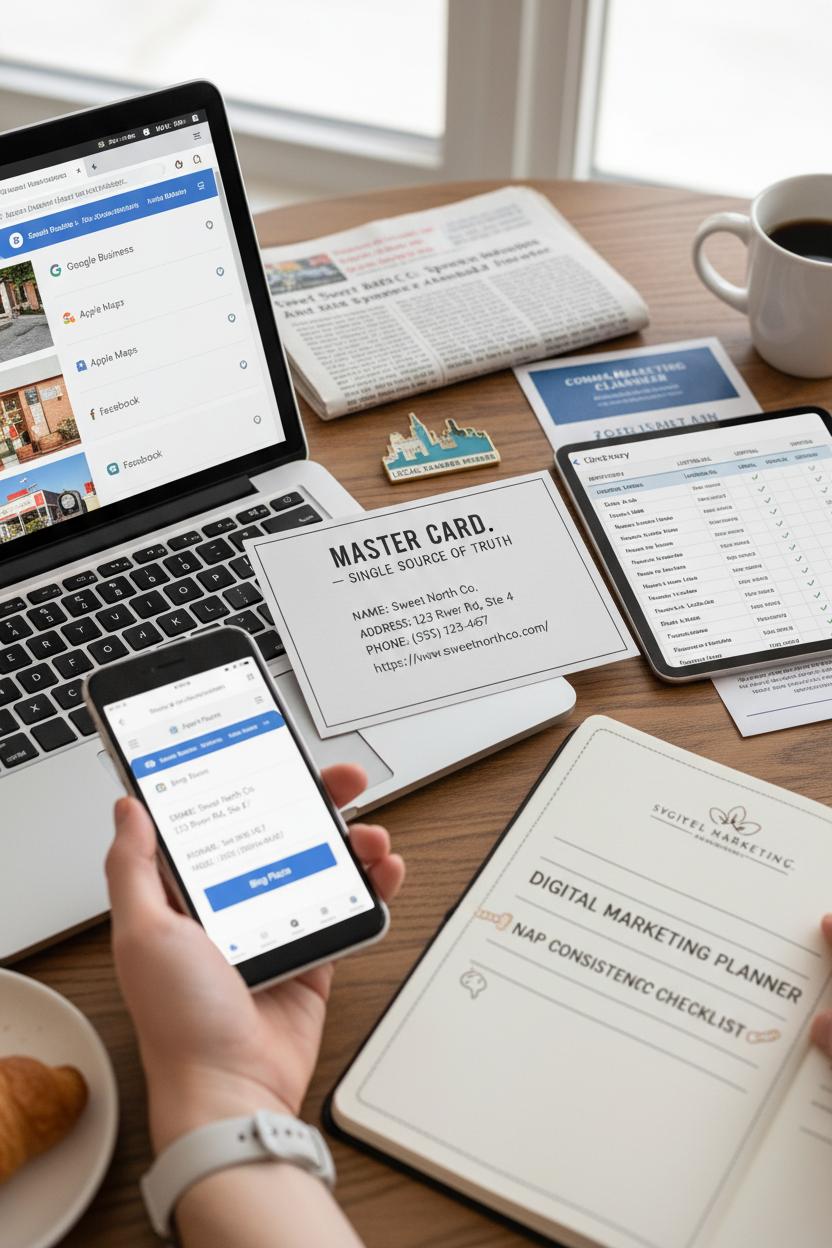
Citations are the cozy breadcrumbs that guide customers (and Google) straight to your front door, and NAP consistency—your exact Name, Address, and Phone number—is the recipe card you never want to misplace. If your bakery is “Sweet North Co.” at “123 River Rd, Ste 4” with “(555) 123-4567,” that’s the version that needs to repeat everywhere, from Google Business Profile and Apple Maps to Yelp, Bing Places, Facebook, and niche directories. This is the quiet power move of off page seo: when search engines see the same details everywhere, they relax, trust your data, and reward you with steadier visibility in local results. Think of citations as foundational link building—less glamorous than a front-page feature, but essential for a resilient backlink strategy and all the digital pr wins you’re planning next.
Make it simple by choosing a “single source of truth.” Write your exact business name, address formatting (Street vs St, Suite vs Ste), main phone (skip tracking numbers), and preferred URL (https, trailing slash or not) on a master card and lock it in. Keep that master in a digital marketing planner, a tidy productivity notebook, or a spreadsheet you actually open. Then copy-paste your canonical NAP everywhere—no improvising. Match hours, categories, and service areas, too. If you’ve moved, close old listings properly and update data aggregators like Data Axle, Neustar Localeze, and Foursquare so the web updates downstream. It’s methodical, almost meditative: one clean listing at a time, like lining up matching jars on a pantry shelf.
Next, audit and expand. Use a backlink checker to hunt down stray or duplicate listings and fix them, then fill gaps on industry directories, local chambers, and event calendars—these are lightweight citations that double as gentle links. Pair this with digital pr: sponsor a neighborhood event, pitch a story to local news, or share a data nugget, and you’ll earn mentions that stack neatly on top of your citations. For deeper tactics, dog-ear an SEO book or a content marketing book and underline the seo tips you want to test next week. Citations won’t make headlines, but they make everything else easier; when your NAP is tight, every campaign—from link building to community shoutouts—lands cleaner, converts faster, and gives your whole off page seo plan that quietly polished glow.
Outreach That Works: Subject Lines, Scripts, and SEO Tips
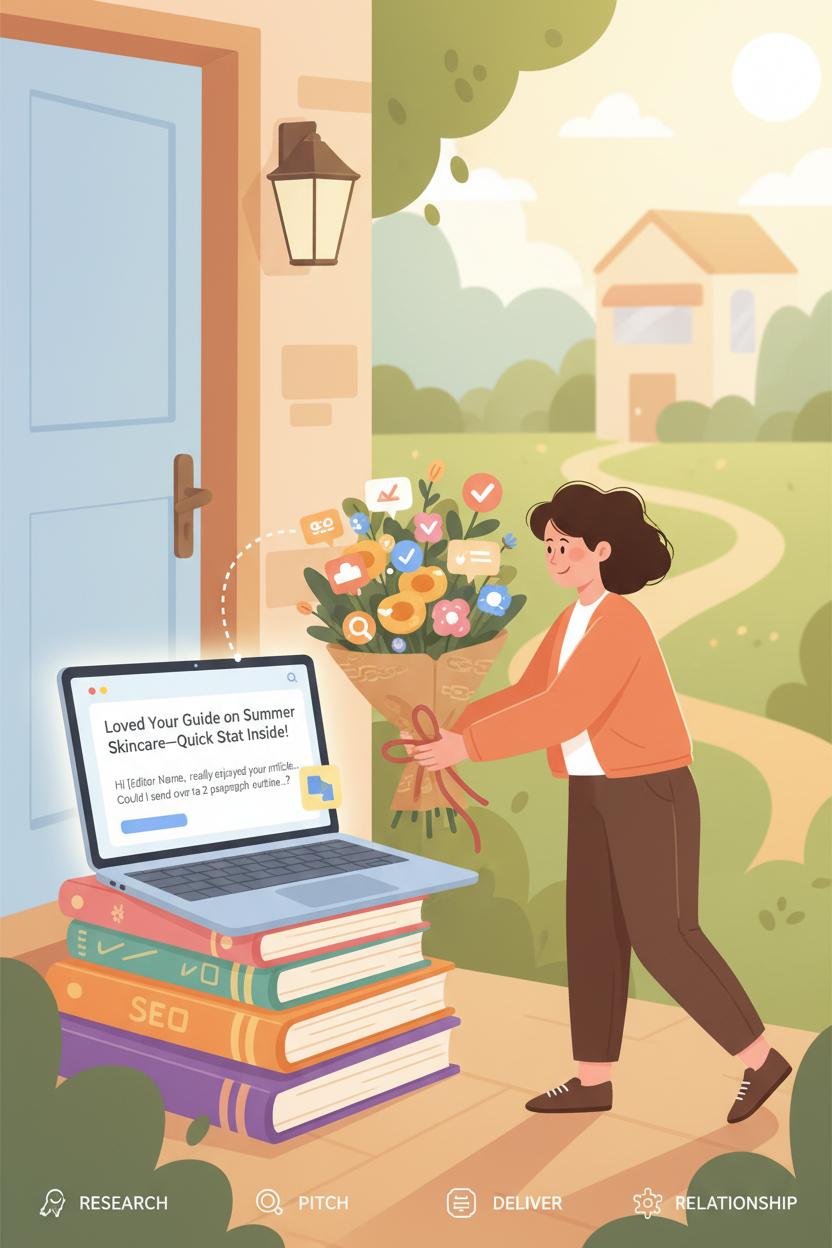
Think of outreach like a friendly doorstep bouquet, not a megaphone. Your subject line should feel personal, timely, and specific: “Loved your guide on summer skincare—quick stat inside” beats “Guest post request” every time. Keep it short, front-load the value, and mirror the vibe of the site you’re pitching. In off page seo, that first impression is everything, whether you’re doing link building or digital pr. Before you write, skim their About page, peek at their latest posts, and jot three authentic notes in your productivity notebook—one compliment, one connection, one contribution. If you need ideas, flip through an SEO book or a content marketing book to spark angles and data points worth sharing; editors can smell generic from a mile away.
For the body, try this cozy, no-pressure flow: a sincere opener, a line proving you’ve actually read their work, a one-sentence pitch that solves a gap you noticed, and a feather-light CTA. Example: “Could I send over a 2-paragraph outline so you can see if it fits?” Avoid attachments on first contact; link to a clean Google Doc or portfolio. It’s outreach, not a cold proposal. When you’re aiming for a strategic backlink strategy, demonstrate usefulness with something quotable: a mini case study, a stat you gathered, or a checklist their readers can grab. This is where digital pr shines—offer a timely angle tied to news, seasonality, or fresh data, and you’ll be the source they remember. Keep a running list of subject line variants in your digital marketing planner and A/B test them in small batches so you’re iterating without burning bridges.
A few practical seo tips to keep your pipeline humming: use a backlink checker to reverse-engineer who already links to similar content and prioritize those friendlies first; customize your anchor suggestions but leave final say to the editor; follow up once (twice max) with warmth and a new nugget of value, not a nudge. Track open rates, replies, and wins so you can spot your highest-ROI niches. And when you get a yes, deliver fast, format perfectly, and send a tiny thank-you. Outreach that works is really relationship-building on a schedule—consistent, kind, and full of small, delightful details.
Competitor Intelligence: Reverse-Engineer Their Link Building
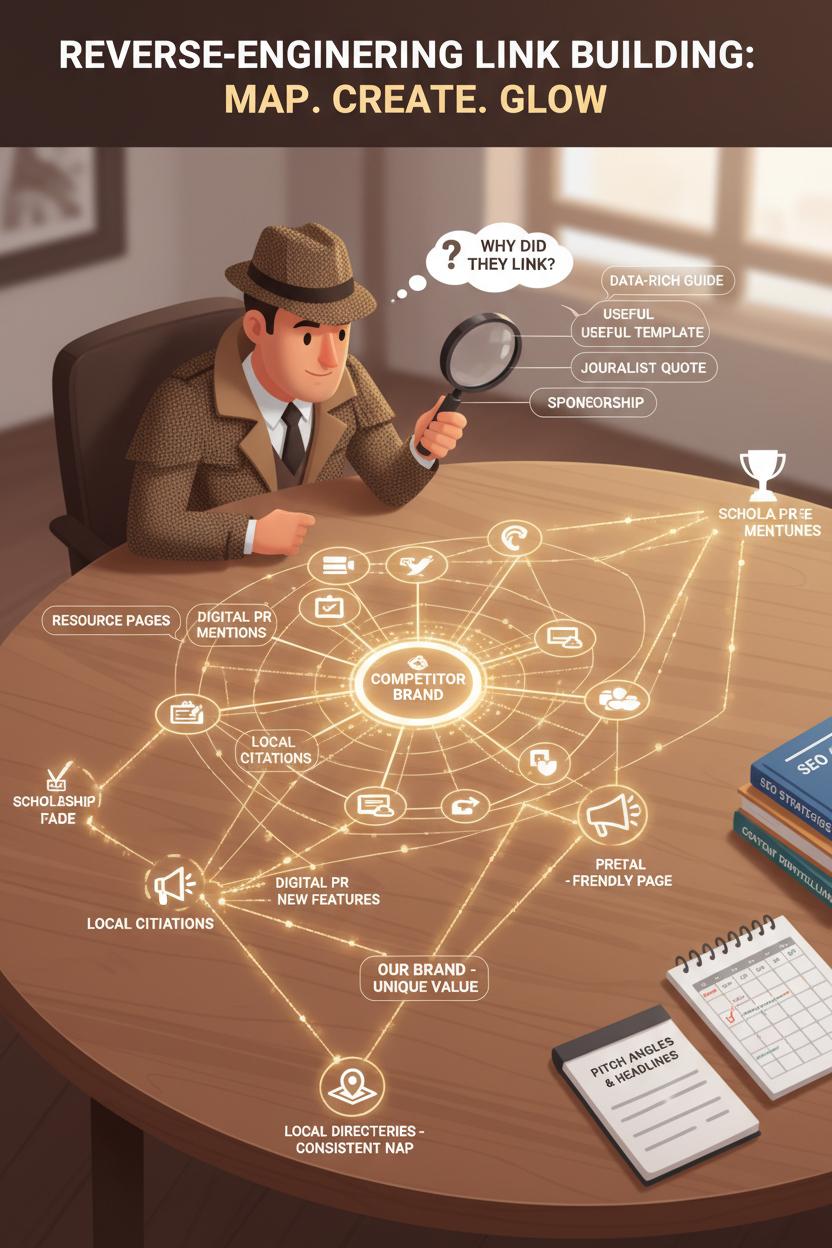
Start by putting on your detective hat and peeking at who’s already linking to the brands you admire. Fire up your favorite backlink checker, plug in a competitor’s domain, and let the magic unfold: resource pages, guest posts, digital PR mentions, local citations, and cheeky listicles will pop up like breadcrumbs. Sort those links by type and ask yourself, “Why did this site link to them?” Maybe it was a data-rich guide, a useful template, a quote in a journalist’s piece, or a community sponsorship. That “why” is the heart of reverse-engineering link building for off page seo. You’re not copying—you’re mapping an ecosystem so you can offer something equally valuable, but uniquely yours.
Once you see patterns, design a simple backlink strategy you can rinse and repeat. If competitors are getting love from “best tools” roundups, pitch your tool or create a comparison page. If they’re pulling links from university resource pages, craft a scholarship or a timeless how-to. Notice journalists quoting them? Build a press-friendly page, keep a media bio handy, and respond to source requests with snackable expertise. For local businesses, screenshot those citations and mirror them across the same directories with consistent NAP details. This is where practical seo tips meet creative storytelling: pair your outreach with an irresistible asset—checklists, bite-size templates, or a mini data study—and you’ll feel the momentum.
To keep everything smooth, treat outreach like a cozy routine. Save contact lists, track replies, and schedule follow-ups in a digital marketing planner. Keep quick pitch angles and subject lines in a productivity notebook, and jot talking points from your favorite SEO book or content marketing book to spark headlines editors can’t resist. When you’re ready, layer in digital pr by announcing small wins—product updates, seasonal data, or community impact—and link those moments to a shareable page on your site. Reverse-engineering isn’t about chasing every link your competitors have; it’s about choosing the clusters that align with your brand, then showing up with clarity, kindness, and something truly useful. Do that, and your link building won’t just grow—it will glow.
Tracking Success: KPIs for Digital PR, Backlinks, and Citations

If you’ve poured your heart into off page seo, the sweetest moment is watching the numbers confirm the buzz you’ve built. Start with the story your traffic tells: referral sessions from earned coverage, time on page for those visitors, and whether they browse beyond the landing page. For digital pr, track total placements, the authority and topical relevance of each site, and the lift in branded search that follows a splashy mention. Keep an eye on share of voice across the SERPs and social chatter—tiny ripples often precede big waves. For link building, focus on new referring domains (not just total links), link velocity, anchor text variety, and the percentage of dofollow links that actually send traffic. For citations, consistency is queen: exact-match NAP across top directories, duplicate cleanup, and review velocity all point to healthier local visibility.
Tools make this feel less like detective work and more like a ritual. Pair Google Analytics and Search Console with a solid backlink checker to monitor new links, indexation, and lost-link alerts, and tag your digital pr URLs with UTMs so you can trace outcomes with confidence. Set baselines, then measure 30/60/90-day deltas in rankings for the pages you’re actively supporting with your backlink strategy. If awareness is the goal, track impressions and mentions; if authority is the goal, watch referring domains and topical relevance; if revenue is the goal, attribute assisted conversions from referral traffic. Keep a simple dashboard, and log monthly notes in a digital marketing planner or even a cozy productivity notebook—future you will love seeing patterns. When you need deeper context, a trusty SEO book or content marketing book can help you interpret the squiggles into strategy-level seo tips.
When it’s time to report, weave a before-and-after narrative: show how targeted links nudged priority keywords upward, how PR coverage introduced qualified visitors, and how cleaned-up citations lifted local pack rankings. Break out the distribution of new linking domains by quality, highlight coverage that reached your ideal audience, and call out standouts—like a single link that drove conversions. Tracking doesn’t have to be sterile; make it a habit that feels like tending a garden, where each metric is a bloom confirming your off page seo is thriving.
The Cheatsheet: Backlink Strategy Checklist and Pro SEO Tips

Grab a cozy cup and let’s power through your backlink to‑do list like it’s the prettiest page in your planner. Start with a quick audit: open your favorite backlink checker and note wins, gaps, and any sketchy domains to address. Reclaim low‑effort wins first—turn brand mentions into links, fix 404s with redirects, and refresh any outdated resources that could be link magnets again. Keep your anchor text natural: mostly branded and descriptive, a sprinkle of partial matches, and just a pinch of exact match when it’s truly relevant. Build foundational citations with consistent NAP details, double‑check social profiles, and add you to a few high‑quality niche directories. Then line up your “linkable assets”—original data, how‑to evergreen guides, and downloadable checklists—so your off page seo isn’t just outreach, it’s irresistible content people want to reference. If you’re nerdy like me, keep a trusted SEO book and a favorite content marketing book nearby for frameworks and swipeable ideas—you’ll use them weekly.
Now map the outreach. In your digital marketing planner, schedule waves: week one for resource pages, week two for expert roundups, week three for guest posts, week four for digital pr—think timely data stories, journalist requests, and community angles that earn mentions naturally. Personalize every pitch with a value hook (a chart, a quote, a tiny dataset), and never send a template twice. Track responses in a tidy spreadsheet or a productivity notebook, and follow up politely at three and seven days. Aim for steady link building velocity—quality over quantity—so your backlink strategy looks organic, not explosive. Keep an eye on relevance and traffic, not just DA; a smaller, engaged audience can outperform a big but off‑topic site. Sprinkle in pro seo tips as habits: update old posts before pitching them, compress images, add internal links to new features, and set calendar reminders to refresh stats quarterly. When in doubt, ask yourself, “Would I be proud to show this link to a customer?” If yes, green light; if no, pivot. Keep it human, helpful, and beautiful—and the links will follow.
Conclusion
That’s your cozy Off-Page SEO Cheatsheet tied with a bow: off page seo that feels human, link building rooted in relationships, digital pr that tells stories, and a simple, repeatable backlink strategy. Save these seo tips, brew a coffee, and spend 15 minutes a day nurturing citations, pitching a win-win, or refreshing anchor text. Small, consistent actions compound—earning trust, traffic, and rankings that last. Pin this for later, share with a teammate, and watch your brand bloom beyond your website—one thoughtful connection at a time.