
Ready to outsmart the latest search engine updates? This 2025 cheat sheet breaks down SEO 2025 essentials—from Google algorithm shifts and EEAT signals to SGE opportunities—so you can rank faster and smarter. Bookmark for quick wins, pro tips, and tool recs: pair your favorite SEO book with a powerful keyword research tool, website audit software, a streamlined content planner, and a real-time analytics dashboard. Whether you’re polishing old posts or planning fresh content, this guide keeps you one step ahead and your traffic trending up.
2025 at a Glance: Key Search Engine Updates You Need to Know

If 2024 felt like a warm-up, 2025 is the main event. The biggest shift you’ll feel in day-to-day search is how conversational and visual results have become, with SGE moving from novelty to default companion in many queries. Those chat-style summaries and follow-up prompts mean your content needs to answer questions clearly in the first screenful, then invite deeper exploration with smart internal links and rich visuals. Think skimmable intros, clean sections, and helpful assets like quick comparison tables, short video explainers, and original images. The takeaway from this year’s search engine updates: optimize not just for ten blue links, but for snippets, carousels, and AI-led journeys that may start and end without a click.
EEAT is having a glow-up in SEO 2025, and it shows. First-hand experience, transparent sourcing, and real author identities aren’t “nice-to-haves”—they’re table stakes. Add bylines and bios, cite where data comes from, show your work with screenshots or process photos, and collect genuine signals of trust (think detailed case studies and substantive reviews). The Google algorithm continues its drumbeat of core and helpful-content refinements, rewarding freshness, originality, and fast, stable pages. Technical foundations still matter: clean site architecture, tidy internal linking, and accurate structured data for products, articles, organizations, and authors all help search engines connect the dots. With multimodal search expanding, descriptive alt text, clear captions, and context-rich media are your quiet power-ups.
To keep your workflow serene, arm yourself with a few evergreen staples: a solid keyword research tool for clustering conversational intents that mirror SGE prompts, a content planner to map topic hubs and supporting posts around your expertise, and website audit software to catch crawling, performance, and schema hiccups before they cost visibility. Pair it with an analytics dashboard to monitor shifts in impressions, click-through, and on-page engagement as SERPs evolve. And if you like a cozy, structured refresh, an up-to-date SEO book can be a grounding reference on those “what changed now?” mornings. Breathe—treat 2025 as an invitation to show real expertise, package it beautifully, and meet searchers wherever their journey begins.
Google Algorithm Shifts in SEO 2025: Core, Spam, and Helpful Content

If the last few years felt like shifting sand, the latest search engine updates are more like a tide: steady, sweeping, and reshaping the shoreline of SEO 2025 in quiet, powerful waves. Core updates now blend relevance with real-world usefulness, and you can feel it in how the Google algorithm rewards pages that read like lived experience instead of stitched summaries. SGE is the big mood board in this story—pulling quick, synthesized answers up top—so the content that earns mentions or visibility there tends to be original, clearly structured, and anchored in trustworthy signals that echo EEAT: who wrote this, what did they actually do, and why should anyone believe them?
Core shifts are leaning into intent clarity and depth over decoration. Thin topic roundups and generic “ultimate guides” are wilting, while pages that show work—process photos, data you gathered yourself, outcome notes, and transparent sourcing—are gaining. Think of each article like a well-lit studio: a clear hero (the problem you solve), a tidy layout (scannable subheads, tight intros, crisp takeaways), and context that proves experience. Add author bios with credentials, updated dates that mean something, and internal links that feel like a curated path, not a maze. If you document your steps and cite your sources, you’re speaking the love language of EEAT.
On the spam front, Google is sharpening the shears. Scaled, low-value AI pages, parasite hosting, and expired-domain antics are getting clipped, often quietly and repeatedly. This is a housekeeping year: run a website audit software pass monthly, prune zombie pages, fix redirect tangles, and keep your analytics dashboard tuned to engagement and conversions, not just impressions. A focused keyword research tool helps you find intent-rich gaps SGE can’t answer in a snap, while a simple content planner keeps you shipping consistent, experience-forward posts. If you like analog wisdom, an evergreen SEO book can still be your grounding—just pair it with real-time testing.
Bottom line: match human intent, show your receipts, and keep your site clean. The Google algorithm is rewarding creators who teach from the workshop, not the showroom—precise, helpful, and unmistakably you.
SGE Reality Check: How Search Generative Experience Changes Rankings and CTR

SGE is the big mood shift in search right now: instead of a stack of blue links, many queries get a conversational “answer snapshot” stitched together by Google’s generative model. That changes both rankings and click behavior in ways every marketer needs on their radar for SEO 2025. Visibility is moving from position-by-position to presence-in-the-experience. If SGE cites your page in its snapshot or follow-up cards, you can win surprise traffic; if it doesn’t, even a classic top-three spot may see softer CTR. Expect more zero-click outcomes for simple facts, but richer opportunity on complex, how-to, and product comparison queries where SGE wants depth, clarity, and credible sources.
The new gravity is EEAT. The Google algorithm is leaning harder into real-world experience, demonstrated expertise, and transparent sourcing to decide what content earns a seat in the SGE panel. Pages with first-hand demos, original data, and clear authorship stand out; thin rewrites sink. Structure matters too: clean headings, tight summaries up top, scannable steps, FAQs, and schema help the model parse and quote you. Freshness is a quiet ranking accelerant, as SGE prefers timely takes in fast-moving spaces, so make updating part of your routine alongside other search engine updates.
Tactically, build content clusters around intent-rich, long-tail prompts that mirror how people actually ask things, then weave in proof—tests, photos, templates, and pros/cons—to earn citations. Use a keyword research tool to map conversational queries, and a content planner to line up supporting pieces that ladder into topical authority. Run website audit software to fix crawl issues and add structured data that boosts your eligibility for rich and SGE elements. Track the fallout with an analytics dashboard tied to Search Console so you can segment CTR deltas on SGE-heavy SERPs versus classic ones and spot which formats pull citations. If you’re brushing up your strategy, grab an SEO book that covers SGE-era playbooks: entity building, information gain, and experience-forward writing. This isn’t about chasing a hack; it’s about designing pages that a generative summary wants to quote—and a human wants to save, share, and trust.
On-Page Signals That Matter in SEO 2025: Page Experience, CWV, and Semantic Relevance

If you’re polishing pages for SEO 2025, think of on‑page signals as the cozy, functional interiors that make visitors want to linger. Page Experience and Core Web Vitals aren’t just checkboxes; they’re the mood and motion of your site. Fast, stable, and touch‑friendly pages signal quality to the Google algorithm, so prioritize clean code, compressed images, well‑sized fonts, and layouts that don’t jump around. Keep hero media lightweight, avoid intrusive pop‑ups, and trim third‑party scripts that nibble at performance. Core Web Vitals now lean hard on interaction responsiveness, so smooth taps, quick search bars, and snappy filters are your best friends. A regular pass with website audit software, paired with an analytics dashboard that surfaces slow templates and bouncy paths, will keep Page Experience glowing even as search engine updates roll through.
Beyond speed, semantic relevance is your quiet superpower. Google is mapping topics, entities, and intent, so write like a guide who truly understands the journey. Cluster content around themes, weave natural internal links, and use descriptive headings that mirror how people actually search. Mark up products, FAQs, recipes, and how‑tos with structured data so SGE‑style summaries can lift the right bits. Cite sources, add bylines, and showcase author expertise—EEAT isn’t decorative; it’s the trust fabric beneath your words. Original photos, first‑party data, and clear takeaways turn pages into reference pieces that algorithms and humans both adore. A thoughtful content planner helps you cover the full story—intro guides, comparisons, troubleshooting, and next steps—so each page fits neatly into a topical tapestry.
Tools can make this feel effortless. Use a keyword research tool to map intent at every stage and uncover entity gaps you can fill with fresh, helpful content. Run your site through website audit software to catch Core Web Vitals regressions before rankings feel it. Keep an eye on engagement with an analytics dashboard that highlights which sections readers actually savor. And when the latest search engine updates land, a well‑dog‑eared SEO book can be surprisingly grounding. Treat your pages like a beautiful, functional studio—decluttered, intentional, and welcoming—and the Google algorithm will notice.
Structured Data and AI Overviews: Feeding SGE and the Google Algorithm
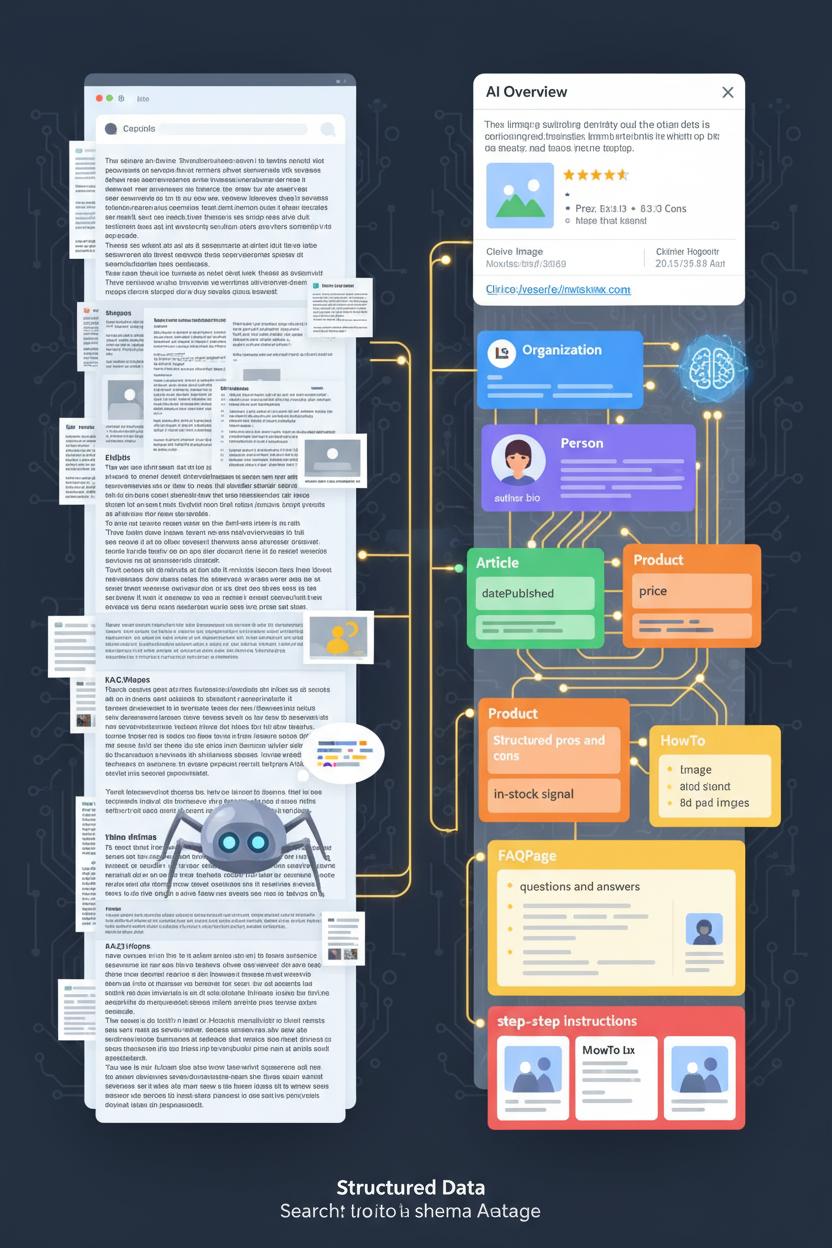
If AI Overviews are the new shop window of search, structured data is the tidy, color-coded display that invites SGE to pick up your products and tell the world about them. Think of schema markup as the breadcrumbs you sprinkle across your pages so the Google algorithm can follow the trail with confidence, then summarize you accurately in those glowing cards at the top. In SEO 2025, this isn’t a nerdy add‑on; it’s the connective tissue between your content and how it’s interpreted. Start with JSON-LD and cover the basics beautifully: Organization and Person for brand and author, Article with datePublished and author.bio for credibility, and then go deeper with Product, FAQPage, HowTo, Event, Recipe—whatever genuinely fits. Every field you fill is a tiny EEAT booster, helping Google understand who you are, what you know, and why you’re worth featuring.
Before you even write, let a keyword research tool guide you toward the questions people actually ask, then map those to FAQs and helpful sections in your content planner. As you publish, run your pages through website audit software that flags missing required properties and schema conflicts the way a good friend points out spinach in your teeth. Add clear authorship, sources, and last-updated timestamps so AI Overviews can cite you with pride. If you sell things, include structured pros and cons, shipping details, and in-stock signals; if you teach, add step-by-step HowTo with crisp images; if you review, mark up ratings with evidence. Keep one eye on your analytics dashboard to watch impressions for rich results and SGE‑related queries rise and fall with the latest search engine updates, and don’t be afraid to tweak. A cozy evening with a fresh SEO book can keep you inspired on the finer points.
The golden rule for SGE is consistency: what’s in your schema should mirror what’s on the page, and both should mirror reality. Update markup when prices, authors, or processes change. Link out to reputable sources, weave in first-hand experience, and use clear media metadata so AI can “see” your images and videos. Structured data won’t replace great content, but it makes your great content unmistakable—and in a world of rapid search engine updates, that clarity is your secret, durable advantage.
Helpful Content System Merged: Content Quality Rules for 2025 Search Engine Updates
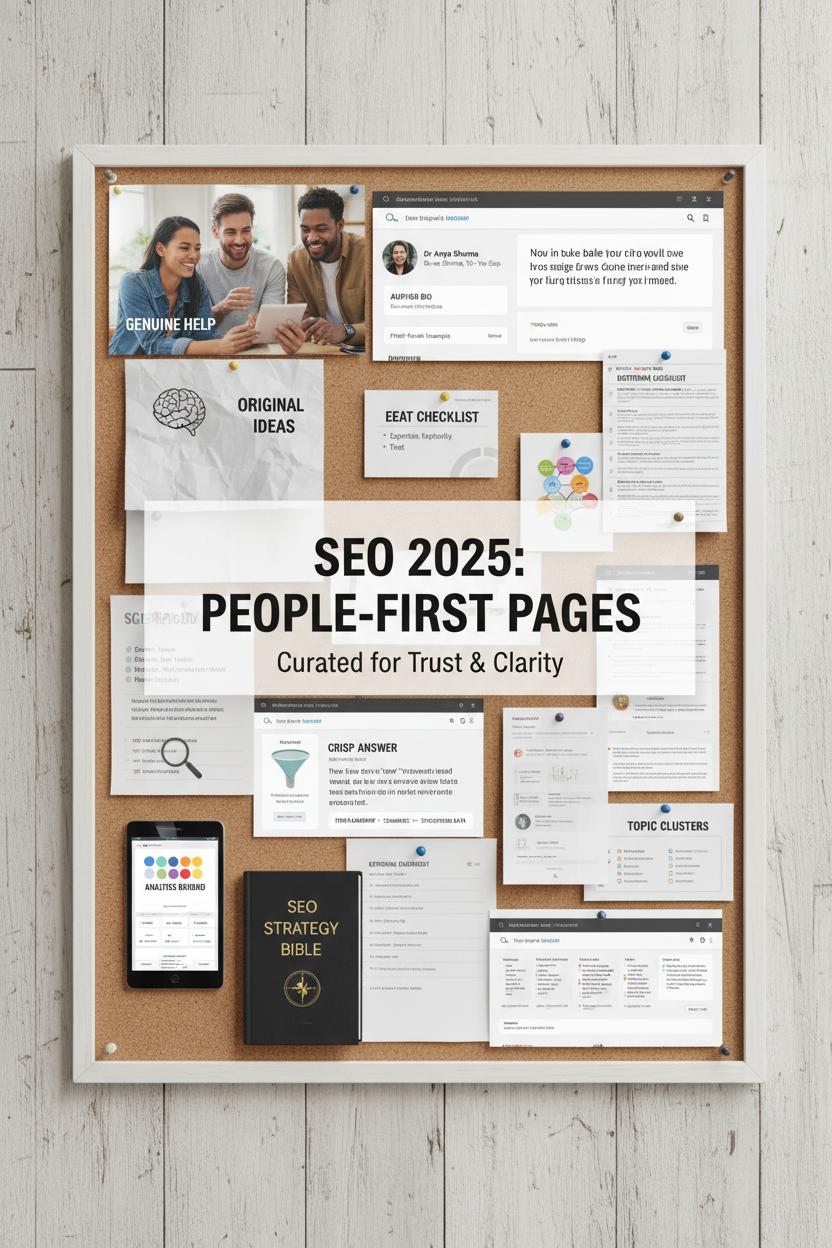
With the Helpful Content system folded into the core Google algorithm, the content quality bar for SEO 2025 is both simpler and stricter: create people-first pages that genuinely help, or step aside. Think of your site like a thoughtfully curated pinboard—only the most useful, original, experience-rich ideas stay on display. That means leaning into EEAT with clear author bios, first-hand examples, and transparent sourcing. Where you’ve got thin, duplicative, or purely AI-spun pieces, either enrich them with substance or prune them so your strongest work shines. This isn’t just about avoiding penalties; it’s about aligning with the direction of search engine updates that reward trust, clarity, and depth.
For day-to-day execution, aim for clarity that SGE can easily surface and quote. Start pages with a crisp answer, then unfold the details—steps, examples, checklists, FAQs—so humans and machines both “get it” fast. Anchor each topic to demonstrable experience: show screenshots, original data, and outcomes, not just opinions. Align intent obsessively; if a query hints at “how,” deliver a walk-through; if it’s “compare,” provide a structured, unbiased comparison. Refresh high-intent posts with timely stats, and consolidate overlapping pieces into comprehensive hubs that feel like a final destination rather than another stop on the search journey. A content planner helps you map topic clusters and avoid cannibalization, while a keyword research tool keeps your ideas tethered to real demand without drifting into fluff.
Build a practical toolkit that supports quality at scale. Run a website audit software pass to spot slow pages, broken schema, and thin content. Use an analytics dashboard to watch dwell time, CTR, and the queries SGE is nudging your way, then iterate quickly. Keep a well-thumbed SEO book on your desk as a strategy north star, and formalize an editorial checklist that bakes in EEAT signals on every publish—clear purpose, evidence, author creds, and up-to-date citations. In 2025, the win isn’t gaming the system; it’s serving the searcher so well that the system can’t miss you.
Link Signals Evolved: Natural Mentions, Author Entities, and Safe Acquisition in SEO 2025

Links in SEO 2025 feel less like a currency and more like a conversation—soft, organic, and woven into the way people talk about your brand. The latest search engine updates have shifted weight from sheer backlink counts to the context of natural mentions and co-citations, especially as SGE summarizes the web and leans on entity understanding. If the Google algorithm senses a real-world buzz—podcast shoutouts, press mentions, newsletter features, thoughtful forum nods—it reads as credibility rather than choreography. Think of it like being name-dropped at a dinner party: even without a hyperlink, consistent, meaningful mentions help engines map your authority and relevance across topics and audiences.
Author entities are the next frontier of EEAT. Your bylines, bios, and body of work should look and feel like a single, trustworthy person across the web. Keep your name, headshot, and credentials consistent; publish in reputable places; and connect your profiles with Person schema and sameAs links so machines can follow the thread. Create a dedicated author page that highlights expertise, citations, and media appearances, then nurture it with fresh, high-signal pieces. A content planner helps you cluster themes so your topical footprint grows steadily, while an analytics dashboard shows which authors, formats, and placements drive engaged visibility inside SGE and beyond. Over time, that cohesive identity becomes a ranking asset, not just a signature.
For safe acquisition, trade the old playbook for digital PR and community-first tactics. Pitch data stories, helpful tools, and visual assets that editors want to reference; participate in expert roundups and niche Slack groups; reclaim unlinked brand mentions; and use nofollow or UGC where appropriate. Avoid scaled guest posting, link swaps, or pay-to-play schemes—patterns that stand out under today’s Google algorithm. A website audit software can surface broken link opportunities and brand mentions worth reclaiming, while a keyword research tool pinpoint outlets and angles that align with your audience. Keep learning—an up-to-date SEO book can sharpen strategy—and document wins so you can repeat what’s working. In this season of search engine updates, aim for the kind of link profile that feels inevitable: earned, contextual, and comfortably at home in the fabric of your brand.
Planning Content That Wins SGE: Using a Content Planner with EEAT in Mind
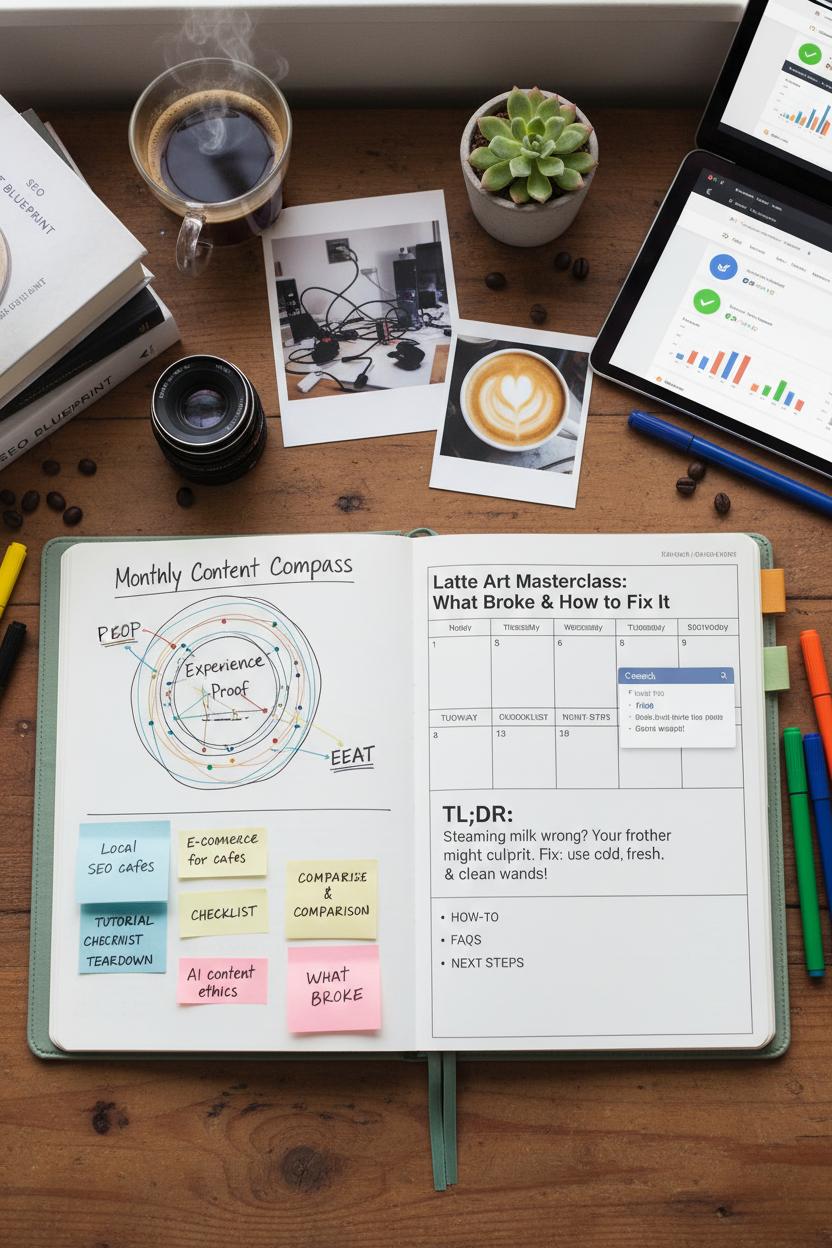
Think of your content planner like a cozy mood board for ideas the new SGE loves to pick up and quote. For SEO 2025, the magic isn’t just “more posts,” it’s deliberate, story-forward pieces that meet EEAT at every turn and align with the rhythm of ongoing search engine updates. Start by mapping topics to real experience: what you’ve tried, what worked, what broke, and what you’d recommend to a friend over coffee. Build in proof—screenshots, mini case studies, product photos you took, and citations to reputable sources—so when the Google algorithm scans your page for signals of expertise and trust, it finds a well-lit trail. In your planner, give each idea a “TL;DR” note: a crisp, quotable answer up top that SGE can surface, followed by your in-depth how-to, FAQs, and a summary that clarifies what to do next.
Use a keyword research tool to group related intents into clusters, then assign each cluster a signature format—tutorial, checklist, comparison, or teardown—so you’re not repeating yourself. Layer in entity terms, definitions, and precise steps to make it easy for SGE to understand and synthesize your content. A monthly pass with website audit software keeps your pages fast, clean, and technically sound, while an analytics dashboard helps you watch dwell time, scroll depth, and conversions to learn which formats earn the most visibility. Keep a slot in your planner for a quick “refresh sprint” where you update dates, add fresh examples, and weave in new data points as search engine updates roll out. And if you like a little inspiration on the side, pick up an SEO book to spark frameworks you can adapt to your brand’s voice.
Finally, let EEAT guide the finer details: clear bylines with credentials, transparent sourcing, cautious claims, and content that shows real-life context (photos, process notes, even mistakes you corrected). Add concise summaries and key takeaways that read like helpful captions on a pin—pretty, practical, and easy to save. With that thoughtful content planner as your compass, you’re not chasing trends; you’re building a library SGE can trust, the Google algorithm can index with confidence, and your readers will return to again and again.
Build an Analytics Dashboard for SEO 2025: Tracking SGE Impressions and Entity Growth

Pour a fresh coffee and set up an analytics dashboard that feels like your command center for SEO 2025—clean, cozy, and obsessively practical. Start with a canvas that mirrors the way you think: one tab for visibility, one for entities, and one for content quality. In the visibility tab, chart your classic impressions and clicks alongside SGE-specific signals: where your pages are cited in AI snapshots, how often you appear in SGE carousels, and whether you’re named in follow-up prompts. Treat “SGE impressions” as a visibility layer—track when your brand or page is referenced in the generative result, the position of that mention, and the prompt patterns that repeatedly surface you. Create a weekly panel that compares standard SERP features to SGE exposure so you can see how Google algorithm shifts and search engine updates reshape the canvas of your category.
Now, make space for entity growth—the secret garden of sustainable rankings. Build an entity index: a simple table that lists the people, products, places, and concepts you want to be known for, then track coverage across pages, schema markup, internal links, and external mentions. Add lightweight proxies for authority: brand search volume, unlinked mentions, and citations in topical hubs. Layer in EEAT signals you can actually measure—author bios present, expert sources referenced, review freshness, and compliance pages updated—and watch how they correlate with both SGE citations and standard rankings. Use a keyword research tool to group queries by entity clusters and intent, then roll those clusters into a content planner that schedules refreshes where SGE is drifting toward competitors. A quick pass with website audit software ensures the technical foundation (speed, structured data, indexation) isn’t quietly sabotaging your gains.
Finally, annotate everything. Every time a notable Google algorithm tremor hits, pin it on your timeline so progress has context. If you like learning by the glow of a good SEO book, keep your favorite nearby as a strategy companion, but let the data tell the daily story. With this living analytics dashboard, you’re not just tracking traffic—you’re watching ideas turn into entities, entities earn trust, and trust transform into durable visibility across SGE and classic results.
Fast Fixes Checklist: 30-Minute Website Audit for 2025 Search Engine Updates

Set a 30-minute timer, top off your coffee, and let’s do a cozy sprint through your site to stay ahead of the 2025 search engine updates. Open your analytics dashboard, a keyword research tool, and any lightweight website audit software you love; if you’re newer to this, keep a dog-eared SEO book nearby for quick reference, and have your content planner ready for follow-ups. The vibe for SEO 2025 is simple: clarity, speed, trust. Start with your homepage and one top traffic page. Check load time and Core Web Vitals, swap heavy hero images for compressed versions, and lazy-load below-the-fold photos. Confirm HTTPS is clean and there’s no mixed content. In your browser’s mobile view, scan for sticky elements covering text and nudge font sizes up if they feel cramped. Pop into your sitemap and robots.txt to ensure nothing critical is blocked, and fix obvious 404s that stall crawling.
Next, sweep your titles and meta descriptions. Make each page’s title focused, human-friendly, and aligned with the primary intent you want to win—don’t overthink it, just remove fluff and ensure the phrasing matches how people actually search. Tighten H1s, organize H2s so the page tells a story, and add one or two internal links from higher-authority pages to this page to reinforce context. On images, trade “IMG_2049” for alt text that describes what’s there. If you spot outdated stats or screenshots, refresh them now; quick polish signals quality to the Google algorithm without a full rewrite. Do a fast site:yourdomain.com search to confirm your key pages are indexed and that duplicates or oddball parameters aren’t creeping in.
For SGE and EEAT, add a crisp, two-sentence answer near the top that addresses the core question your page promises to solve—this helps AI overviews and skimmers. Layer in simple schema (FAQ, HowTo, Product, or Article) if it fits. Add or elevate a byline, a short author bio with experience, a published/updated date, and link to two reputable sources. Sprinkle trust markers—clear pricing, contact details, refund or privacy info—especially on money or health pages. In your analytics dashboard and Search Console, spot pages with impressions but low CTR and give those titles a more magnetic angle using insights from your keyword research tool. Jot next steps in your content planner, and you’re done—thirty minutes, tidy upgrades, and a steadier footing for the next wave of search engine updates.
Further Learning: Best SEO Book Picks for Mastering Google Algorithm Changes

If you’re ready to go deeper than headlines and tweets, there’s something grounding about curling up with an SEO book, highlighter in hand, while the world races through search engine updates. For SEO 2025, the goal isn’t to chase every flutter of the Google algorithm; it’s to build instincts that stay steady as the tide shifts. Between EEAT signals becoming richer and SGE reshaping how answers appear, the best reads give you mental models you can return to again and again—like a favorite recipe card you trust when the pantry looks different.
Start with The Art of SEO for a sweeping foundation that still feels surprisingly current when you’re auditing architecture, untangling crawl paths, or mapping intent to pages. Pair it with Product-Led SEO for that strategy-first mindset: how to prioritize opportunities that compound rather than chasing shiny objects. If you want to future-proof for AI search, Entity SEO is a gem—clear guidance on entities, knowledge graphs, and how to make your brand legible to machines and humans alike (perfect for the SGE era). For reputation shaping and result-page storytelling, The Fundamentals of Brand SERPs for Business offers a practical lens on what your audience actually sees and trusts. And for crafting content that carries your expertise with warmth and structure, Content Strategy for the Web remains a reliable north star, especially when you’re weaving EEAT into every paragraph and byline.
Turn your reading into action with a cozy little toolkit: keep a keyword research tool open as you flip pages so you can test ideas on the spot. Run a quick check in your website audit software whenever a book sparks a technical fix. Feed new topic clusters straight into your content planner while the inspiration is fresh, and track experiments in your analytics dashboard so the lessons become lived experience, not just pretty highlights. Rotate one chapter per week, apply one tactic per chapter, and by the time the next wave of search engine updates rolls through, you’ll have a stronger playbook—and the calm confidence that comes from mastering the why behind the Google algorithm, not just the what.
Conclusion
That’s a wrap—with this cheat sheet, you’re ready to ride 2025’s search engine updates: track Google algorithm shifts, weave EEAT into every page, and test how SGE answers surface your brand. Keep content human-first, speed fast, structure clear, and data tidy—then refresh regularly. Pour a warm mug, pin this guide, and breathe: SEO 2025 favors creators who show up with clarity, authority, and care. Save this for monthly tune-ups and stay delightfully ahead—one small, smart tweak at a time.