
Ready to build authority fast? This Off-Page SEO checklist shows you exactly how to power up off page seo with strategic link building, quality backlinks, and smart digital PR—all aligned with Google’s E-E-A-T. From finding niche prospects to pitching, you’ll get swipeable steps, plus recommended link building tools, blogger outreach software, and a reliable backlink checker. New to the game? I’ll point you to the best SEO books and digital marketing guides so you scale with confidence. Pin this playbook and start growing rankings—and reputation—today.
Off-Page SEO 101: What off page seo Is and Why Authority Matters

Think of off page seo as everything that happens beyond your website’s four walls—the whispers, shout‑outs, and genuine endorsements that tell the internet you’re worth paying attention to. Authority grows when other trustworthy sites reference you, and that’s where link building and high‑quality backlinks come in. A backlink is like a public nod of approval; the more relevant and reputable the source, the more confidence search engines have in sending people your way. This isn’t about collecting random links—it’s about curating relationships, earning mentions through thoughtful content, and showing up where your audience already hangs out. Digital PR matters here, too: features in niche publications, podcast interviews, and industry roundups can introduce you to new readers while signaling credibility to Google. All of this feeds straight into E-E-A-T—Experience, Expertise, Authoritativeness, and Trustworthiness—because authority isn’t just a number; it’s the story the web tells about you.
If you’re just getting started, imagine building a cozy, well‑connected neighborhood around your brand. Share original data or how‑to tutorials people want to reference, pitch guest posts that actually add value, and follow up on unlinked brand mentions to turn them into backlinks. Keep an eye on relevance: a single link from a respected site in your niche can outweigh dozens of random ones. A good backlink checker will help you see who’s talking about you and where there are gaps, while link building tools and blogger outreach software make it easier to organize pitches, track replies, and stay genuine at scale. If you love learning by the book, tuck into practical SEO books and digital marketing guides to deepen your strategy and avoid common pitfalls.
The real magic of off page seo is that authority compounds. As you earn trust, your content ranks more easily, which invites more mentions, which earns even more trust. Be patient and intentional: focus on relationships, create resources worth citing, and let digital PR amplify your best work. Do this consistently and your site becomes that go‑to pin everyone saves—the one that keeps popping up because it’s helpful, beautiful, and exactly what people needed.
E-E-A-T Foundations: Building Trust, Experience, and Authority Signals
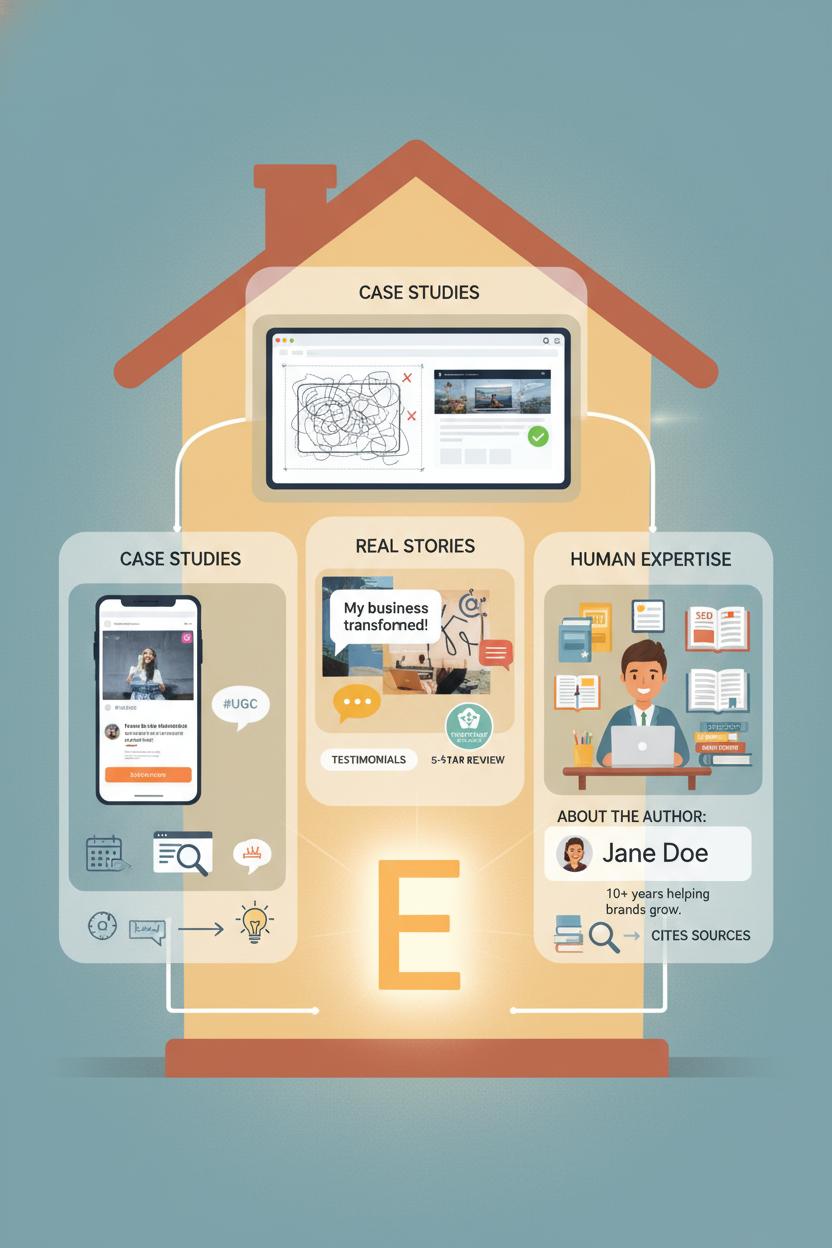
Think of E-E-A-T as the cozy foundation of your brand’s online home—the part that makes visitors want to kick off their shoes, stay a while, and tell their friends. In off page seo, you’re not just collecting backlinks; you’re crafting signals that whisper “we’re the real deal” to both people and algorithms. Start with Experience: show your work like a proud maker. Publish case studies with messy-beautiful before-and-afters, include screenshots, timelines, and what you learned when things didn’t go perfectly. Share real stories from customers and creators who’ve used your product or process—UGC, testimonials, and third‑party reviews all layer on authenticity. Add an author bio that feels human and grounded in lived expertise, and cite sources you genuinely rely on. If you’re brushing up your chops, a few well-chosen SEO books and digital marketing guides can help you write with more confidence and clarity.
Authority grows when other respected voices talk about you, so pair link building with digital PR that’s newsworthy. Pitch thoughtful data studies, fresh angles, and quotable tips to niche publications and podcasts; a handful of high‑fit features will beat a bucket of random mentions every time. Remember, backlinks are like little votes of confidence—focus on context, relevance, and the actual traffic they can send. Keep an eye on your profile with a reliable backlink checker, prune the junk, and fill gaps by building relationships. Link building tools and blogger outreach software can streamline the hunt for perfect-fit partners, but your best “tool” is still a compelling story and a helpful asset worth linking to.
Trust is the warm glow that ties it all together. Make it ridiculously easy to find your contact info, policies, and real-world footprint. Keep your NAP details consistent across directories, spruce up your Google Business Profile, and join credible industry associations—these citations quietly reinforce who you are. Use clear bylines, dates, and expert reviewers on sensitive content. Sprinkle in schema so search engines understand the who/what/why behind your pages. Then, keep listening: monitor brand mentions, answer questions, and turn feedback into updates. When your E-E-A-T signals are aligned, off page seo stops feeling like a scramble for links and starts looking like a brand people trust—and naturally talk about.
Link Building Strategy: Goals, Baselines, and KPIs

Before you send a single pitch, give your link building a cozy plan and a clean baseline. Open your favorite backlink checker and take a snapshot of where you are today: total referring domains, link velocity over the last three months, average authority metrics, and how many backlinks point to your money pages versus your blog. Peek at anchor text variety, topical relevance, and the ratio of dofollow to nofollow links. This simple audit is your “before” photo for off page seo—so when the results bloom, you can see exactly what changed. If you’re new to this, a few trusty link building tools or even beginner-friendly SEO books and digital marketing guides can help you interpret the numbers without getting lost in jargon.
Now set goals that match the story you want search engines to read about your brand. If E-E-A-T is the vibe, prioritize links from expert-led publications, niche associations, universities, and trusted magazines. If rankings for specific topics are the target, aim for backlinks from tightly related sites and deep-link to the pages you actually want to win. Blend classic link building with digital PR: think data-led pitches, helpful quotes for journalists, and sharable visuals that make editors say yes. Translate that into monthly targets you can touch—new unique referring domains, a minimum authority range, a balanced anchor mix, and a steady cadence of earned placements so growth feels organic, not spiky.
Track KPIs like a minimalist mood board: outreach response rate, placement rate, average time from pitch to publish, cost per link, and percentage of in-content links on editorial pages. Layer on quality signals—what share of links drive real referral traffic, how many come from your core topic clusters, and which mentions convert to followed links after a friendly nudge. Keep a lightweight dashboard, and let blogger outreach software do the heavy lifting on inbox management while you focus on relationships. Revisit your baseline monthly to adjust the plan, pruning tactics that don’t bloom and doubling down on those that do. And when in doubt, peek at a fresh playbook—there’s no shame in grabbing a new chapter from a well-reviewed digital PR course, a practical backlink checker tutorial, or the latest guide tucked between your favorite SEO books.
Backlink Quality vs. Quantity: How to Evaluate and Prioritize Links

When you’re building authority fast, it’s tempting to grab as many backlinks as you can, like tossing every pretty flower into your cart at the market. But the bouquet that turns heads is thoughtfully curated. Quality beats quantity in off page seo every time. Start by asking: is this site topically relevant to mine, and would my audience actually read it? A high-quality link comes from a real, reputable website with its own engaged traffic, editorial standards, and content that looks human-written and helpful. You’ll feel those E-E-A-T vibes—clear author bylines, an About page, transparent policies, and content that demonstrates experience and expertise. Prioritize links placed naturally within the body of a page, surrounded by context that matches your topic, and from pages that are indexed and ranking for something besides your brand name.
Think of your evaluation like a cozy, repeatable ritual. Fire up a backlink checker and peek at the domain’s authority, organic traffic trends, and outbound link hygiene. If their recent posts are stuffed with casino links or spun content, back away. If their site loads fast, has clean navigation, and mixes dofollow and nofollow links responsibly, you’re in safer territory. Anchor text should feel organic—branded or descriptive beats keyword-stuffed. One strong editorial mention from a relevant publication (hello, digital PR) can move the needle more than a dozen directory listings. And while guest posts still work, they shine brightest on sites that genuinely want your perspective, not just your link.
To prioritize, sort prospects into three tiers: needle-movers with topical relevance and real audiences, nice-to-haves with moderate metrics, and fillers you’ll only consider if they add unique context. Build a cadence with link building tools and blogger outreach software that help you track replies, placements, and relationship notes—think of it as your garden journal for link building. If you’re crafting your rubric from scratch, skimming a few SEO books or digital marketing guides can give you a simple scoring system you’ll actually use. Keep your mix diversified: editorial features via digital PR, resource page links, unlinked brand mentions you reclaim, and selective partnerships. When in doubt, ask yourself: would I be proud to show this link to a customer? If yes, it’s likely a keeper for your off page seo checklist.
Competitor Gap Analysis with a Backlink Checker

Imagine pouring a fresh coffee, opening your favorite backlink checker, and peeking over the fence at the lush garden your competitors have been cultivating. That’s competitor gap analysis in a nutshell: you run a link intersect for the top three to five sites ranking for your target query, then filter the shared backlinks they have that you don’t. Patterns emerge fast—resource hubs, niche blogs, tools roundups, local and industry directories, podcasts, newsletters, and journalists who love fresh data. Save the tasty prospects and label them by type and intent. This turns off page seo from guesswork into a guided treasure hunt where you’re not just collecting links—you’re learning which angles that niche actually rewards.
Now, transform that list into a pitch-ready plan. If you see lots of editorial features, prepare a useful asset worth referencing: a mini study, a visual explainer, or a checklist that solves a common headache. If you spot podcasts and interviews, craft founder stories with first‑hand experience to strengthen E-E-A-T. If resource pages dominate, create a free tool or template that brings genuine value. Layer in digital PR by tying your asset to a timely trend or seasonal hook, and you’ll earn attention far beyond basic link building. Manage your pipeline with blogger outreach software, verify at scale with link building tools, and stay selective—skip spammy domains, watch anchor text, and prefer natural, branded phrasing over keyword stuffing. Aim to replicate competitors’ best backlinks with your own twist, then outdo them with fresher data, cleaner UX, and clearer takeaways.
As results roll in, track referring domains, topical relevance, and traffic from those links—not just rankings. Keep a swipe file of winning pitches and outreach subject lines so each campaign gets easier. If you want to sharpen your edge, dip into SEO books and digital marketing guides for outreach frameworks and persuasion tactics you can apply right away. Competitor gap analysis doesn’t just accelerate link building; it shortens the learning curve, shows you exactly where authority is earned in your niche, and helps you build a backlink profile that feels authentic, helpful, and durable—all the right signals for today’s algorithms and tomorrow’s opportunities.
Blogger Outreach Software Workflow: Prospecting, Personalization, Follow-Up

Think of your blogger outreach software as the cozy command center of your off page seo routine. Start with prospecting that feels curated, not chaotic: pull potential sites from a competitor’s profile using a trusted backlink checker, layer in Google search operators to find niche lists, and score each prospect with your favorite link building tools. Go beyond metrics by checking for real bylines, an about page, and recent posts that show life on the blog—those E-E-A-T signals matter just as much as Domain Rating. Create tight segments by topic and intent (tutorials, roundups, resource pages), then tag where you could add instant value: a fresh stat, a visual, a demo, or an expert quote that would genuinely elevate their article and earn clean backlinks.
When it’s time to personalize, write like a human who actually enjoyed their content. Reference a specific paragraph or chart, and connect it to your unique experience or data so your E-E-A-T shines through naturally. Keep a warm, Pinterest-style tone in your templates, but swap in micro-personalizations—recent post titles, author names, and a one-sentence value pitch that feels irresistible for their audience. Offer assets they can plug in right away: an editable graphic, a mini case study, or a short media kit suitable for digital PR. If you need inspiration, leaf through a couple of SEO books or digital marketing guides and adapt their frameworks into short, skimmable email blocks; your blogger outreach software can save these as snippets for quick, on-brand customization.
Finally, follow-up with grace. Schedule two or three polite nudges that add something new each time: a data point, a tighter headline angle, or a suggested placement that reduces their editing time. Track opens and replies inside your platform, and note outcomes like unlinked mentions you can convert, broken link opportunities you can replace, or collaborative ideas (expert roundups, co-created checklists) that compound link building via digital PR. Monitor new backlinks with a backlink checker, tag dofollow vs. nofollow, and celebrate quality over quantity. This simple loop—smart prospecting, heartfelt personalization, gentle follow-up—builds authority fast, turning off page seo from a chore into a repeatable rhythm powered by the right blogger outreach software and a few trusty link building tools.
Link Building Tools Stack: Discovery, Qualification, and Verification
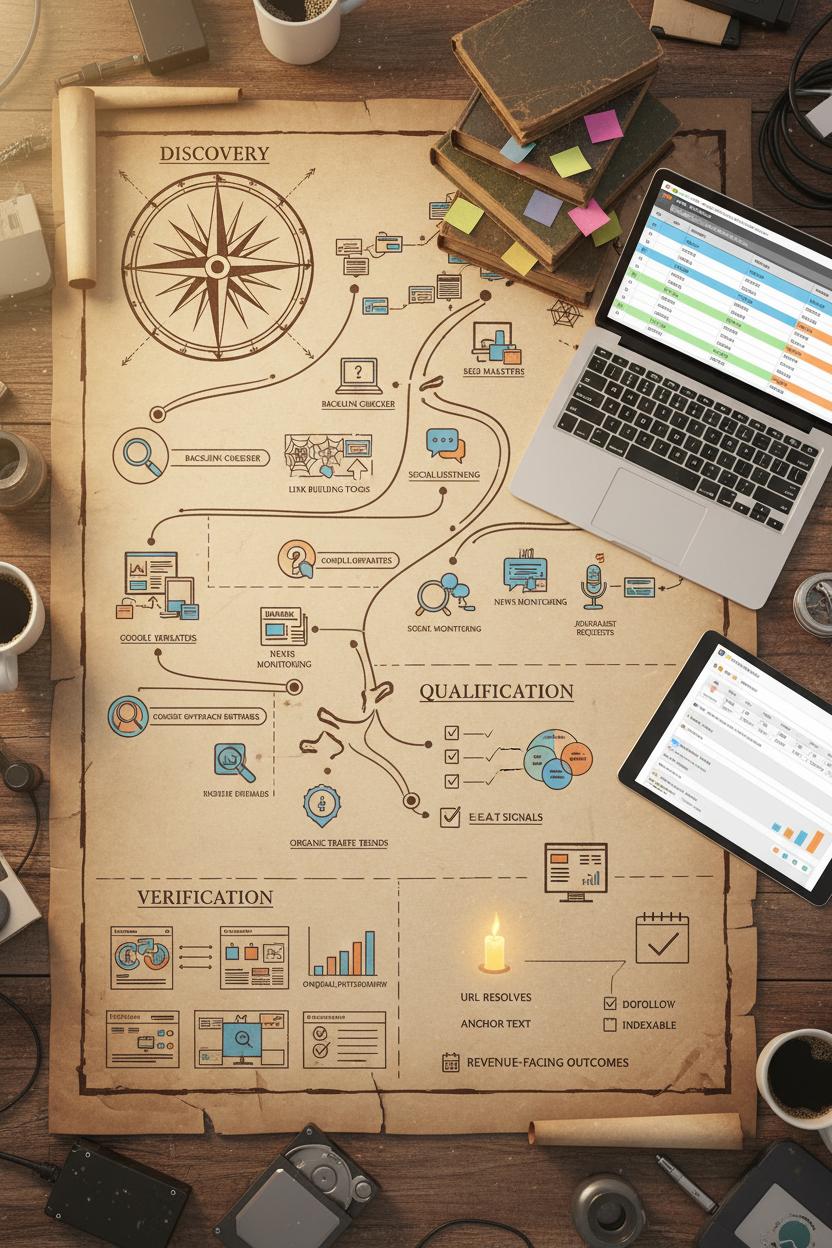
Every strong off page seo plan starts with discovery, and this is where your tool stack feels like a treasure map. I like to begin with a trusty backlink checker to surface who’s linking to content similar to mine, then branch out with link building tools that crawl topically relevant blogs, local publishers, and niche directories you actually want to be seen on. Mix in social listening and news monitoring to spot timely digital PR angles, plus journalist request platforms for easy expert quotes. Don’t sleep on simple Google operators to uncover “write for us” pages and resource hubs hiding in plain sight. When creative wellsprings run dry, flip through your favorite SEO books and digital marketing guides for prompt lists and campaign frameworks, then pour everything into a clean spreadsheet or your blogger outreach software so prospects, emails, and notes stay neatly color-coded.
Next comes qualification—the cozy but crucial vibe check. Ask if the site’s audience truly overlaps with yours, skim recent posts to confirm quality, and look for E-E-A-T signals like real bylines, detailed author bios, and transparent About pages. Peek at organic traffic trends and outbound link patterns; if every other post is a paid round-up, your hard-won backlinks may not age well. Use toolbar metrics and your backlink checker to gauge authority without chasing vanity scores, and always scan for topical relevance and a healthy internal linking structure. Prioritize publications with editorial standards, clean design, and original photography—small visual cues that often mirror content integrity. If you’re running a digital PR campaign, segment outlets by newsworthiness and lead time so you’re pitching features to features, and quick wins to quick wins.
Finally, verification makes your link building feel like lighting a candle and exhaling. After a placement goes live, confirm the URL resolves, the anchor text reads naturally, the link is dofollow if promised, and the page is indexable. Revisit a week later to ensure it’s still there, then set alerts for status changes or lost links. Track everything—URL, anchor, placement date, target page—in your outreach hub, and tag campaigns so you can report on revenue-facing outcomes, not just counts. With a calm, repeatable cadence, your backlinks portfolio compounds, your authority climbs, and your off page seo turns from guesswork into a comforting ritual.
Unlinked Mentions, Brand Signals, and Co-Citations: Quick Wins Beyond Backlinks
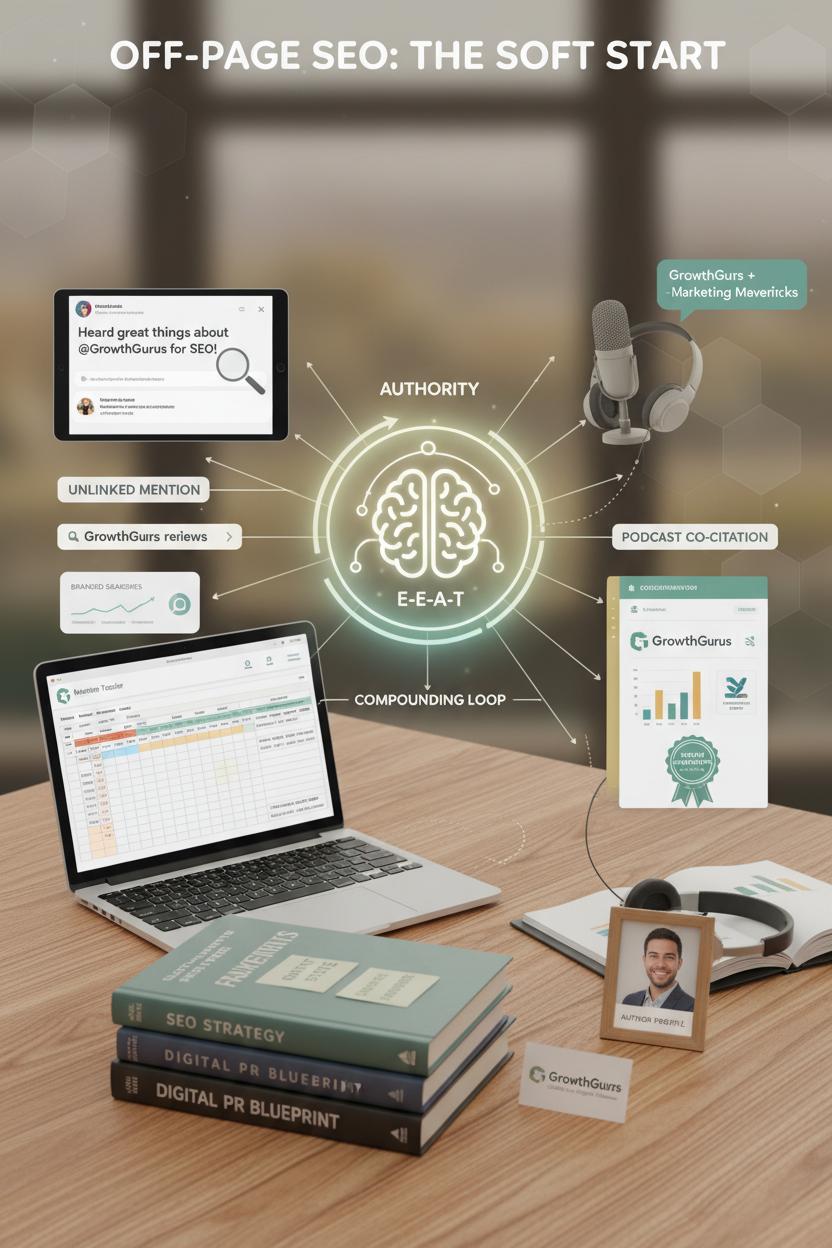
Beyond the usual link building grind, there’s a softer, faster way to warm up your authority: gather up unlinked mentions, nurture brand signals, and invite co-citations. Think of it like sprinkling your name in all the right conversations so search engines start recognizing your presence before the backlinks even arrive. In off page seo, these cues round out your E-E-A-T by showing you’re actually talked about, searched for, and placed beside trusted sources. Start by setting up alerts for your brand, product names, and key people. Every time you spot a shoutout without a link, send a kind, useful note offering a page that deepens the reader’s experience—report, tutorial, or resource hub. You’ll be surprised how many editors are happy to add a link when you make their article better. When a link isn’t possible, don’t fret; that mention still fuels brand signals, and co-citations—being mentioned near authoritative brands—can add context to your expertise.
Make this repeatable with a simple weekly ritual. Open your favorite backlink checker to find new mentions, then log them in a tidy sheet. Use blogger outreach software to keep follow-ups friendly and on-time, and lean on link building tools to identify journalists and podcasters already covering your niche. If you’re feeling stuck on angles, browse a few SEO books and digital marketing guides for quote-worthy stats and frameworks you can pitch in your digital PR. This is also the ideal moment to polish your brand bio, expertise pages, and author profiles so that your requests land with credibility and align with E-E-A-T. Remember to track branded searches and social chatter as part of your brand signals dashboard—watching those curves rise is incredibly motivating.
Co-citations can be as simple as joining expert roundups, contributing a chart to a report, or offering a crisp data point for a journalist’s quick deadline. Sponsor a small community event, share a unique checklist, or guest on a niche podcast—any setting where your brand sits beside reputable names helps. Layer these quick wins into your broader link building plan, and you’ll notice how much easier high-quality backlinks become when you’re already part of the conversation. It’s a cozy, compounding loop: more mentions, stronger signals, better trust, and a brand that feels everywhere your audience looks.
Local SEO and Citations: Directories, NAP Consistency, and Reviews

If you’re trying to build authority fast, local SEO is your most down-to-earth slice of off page seo—the part you can see, touch, and polish. Start with citations in reputable directories: claim and perfect your profiles on Google Business Profile, Apple Maps, Bing Places, Yelp, and any niche or hometown directories that actually serve your customers. Make your NAP (name, address, phone) absolutely consistent everywhere, and match your categories, hours, and descriptions like you would match a cozy throw to your favorite sofa. Add crisp photos, a short brand story, and service highlights. These clean, consistent citations are quiet validators of E-E-A-T, signaling real-world presence, experience, and trust long before your link building campaigns kick into gear.
Reviews are the heartbeat of local credibility—and a ranking nudge. Ask for them with gentle, well-timed prompts after a purchase or appointment, pop a QR code by the register, and add a review link to your email footer. Reply to every review like you’re speaking across a counter: warm, specific, and grateful, even when feedback stings. Sprinkle in product or service details (not canned keywords) in your responses, and encourage photos from happy customers. This is micro–digital PR in action: stories from real people that travel farther than ads. Layer on classic link building by sponsoring neighborhood events, partnering with local charities, or offering expert quotes to community newsrooms; those mentions can become high-quality backlinks and unstructured citations on trusted local sites. Pitch nearby lifestyle bloggers with helpful resources or guides—blogger outreach software can streamline this without feeling spammy.
Keep it tidy with a monthly or quarterly audit. Use a backlink checker to catch new mentions and spot opportunities, and lean on link building tools to surface inconsistent listings that need cleanup. Update holiday hours before they change, rotate in seasonal photos, and make sure your service areas stay accurate as you grow. If you’re new to this, a couple of practical SEO books or digital marketing guides can give you frameworks you’ll actually use. Local citations, reviews, and thoughtful digital PR don’t just support rankings—they weave a believable brand narrative that earns trust and backlinks, making the rest of your off page seo efforts smoother, faster, and far more compounding.
Social Proof and Community: Amplify off page seo with Partnerships and Events

Community-driven social proof is the cozy, human side of off page seo—the part where your brand is photographed shoulder-to-shoulder with people your audience already trusts. Start with partnerships that feel natural: co-host a webinar with a complementary brand, sponsor a niche meetup, jump onto a virtual summit, or run a local pop-up panel with creators and nonprofits in your niche. Each touchpoint can become a link magnet: sponsor listings, speaker bios, event calendars, recap posts, and resource pages are all prime spots for high-quality backlinks. Make it effortless to include you—share polished speaker headshots, a one-line bio, and a tidy link the organizer can paste. After the event, publish a recap with quotable insights and slides; tag partners and encourage them to embed and link. Think micro-influencers, alumni associations, chambers of commerce, and industry user groups—small rooms with warm intros often drive the most authentic link building.
Partnerships shine even brighter when paired with digital PR. Pitch data-driven stories to journalists and podcasters, release a joint mini-report with a partner, or launch a community challenge that generates user content worth referencing. This not only earns backlinks but also signals real-world experience, original expertise, and trust—the E-E-A-T foundations search engines look for. Keep your ops tidy: use blogger outreach software to manage invites and follow-ups, link building tools to identify relevant prospects, and a backlink checker to measure the lift. If your team is new to the playbook, level up with SEO books and practical digital marketing guides so everyone can speak the language of anchors, angles, and attribution.
To maximize social proof, package your collaboration assets like a gift: a media kit with boilerplate copy, approved quotes, brand photos, and easy-to-copy links; swipe files for email announcements; Canva-ready graphics for partners. Offer exclusive templates or research snippets that partners will want to reference, and you’ll earn natural backlinks without begging. Keep the cadence consistent—think a monthly partner spotlight, quarterly research drop, and one flagship event per year—and nurture relationships with thoughtful follow-ups and quick turnaround on requests. When your brand consistently shows up in the same circles as trusted experts, link building becomes a byproduct of genuine community. That’s off page seo that feels like friendship, scales like a system, and compounds like interest.
Measurement and Reporting: Track Backlinks, Referral Traffic, and E-E-A-T Signals

Measurement is where your off page seo starts feeling real, so pour a coffee and set up a simple, pretty dashboard you’ll actually open. In GA4, tag every link building and digital PR pitch with UTM parameters so you can see which stories, roundups, or guest posts drive engaged sessions, email signups, or sales. In Search Console, watch “Links” for new referring domains and cross-check with a trusty backlink checker to confirm what landed, the anchor text, and the topical relevance. Track a few core KPIs week over week: new backlinks, unique referring domains, link velocity, domain diversity, and the percentage earned via digital PR vs. blogger outreach. If you use link building tools or blogger outreach software, sync exports into one sheet so you can color-code wins, pending placements, and opportunities to reclaim unlinked brand mentions.
Next, follow the traffic, not just the tally. Sort your referral report by conversions and by engaged sessions to spot those “power links” that send qualified readers who stick around. Look at landing page performance from each referrer—time on page, scroll depth, and assisted conversions—so you can double down on partners and formats that actually move the needle. A single evergreen interview on a niche site can beat ten low-quality backlinks, so annotate your spikes, note which topics resonated, and replicate what worked. Keep an eye on anchor text variety and topical alignment to maintain a natural profile, and set gentle alerts for sudden link losses so you can refresh or reclaim. If you’re sharpening your skills, tuck a couple of SEO books and digital marketing guides onto your nightstand; they’re great companions to your favorite link building tools and any lightweight blogger outreach software you’re testing.
Finally, layer in E-E-A-T. Create a checklist to audit author bios, credentials, and real-world experience on key pages; add organization and author schema; and track third-party trust signals like reviews, press mentions, and citations from reputable sites earned through digital PR. Note improvements in branded search, review velocity, and consistency across your About, Contact, and social profiles. Your monthly report should read like a story—screenshots from Search Console, referral winners, new backlinks that matter, E-E-A-T upgrades shipped, and the business outcomes tied to them—so stakeholders see not just more links, but more authority.
30-Day Off-Page SEO Checklist: Build Authority Fast

Think of the next 30 days as a cozy-but-powerful reset for your off page seo. In Week 1, set your baseline: run a quick audit with a favorite backlink checker to see what’s already working, then clean up your brand everywhere—consistent bios, headshots, and a trust-rich About page that reflects E-E-A-T with credentials, authors, and real-world proofs. Map out one or two “linkable assets” you’ll create this month (a data roundup, a checklist, or a mini guide), and line up your stack: link building tools for prospecting, blogger outreach software for polite follow-ups, and a simple media list for digital PR. If you love learning by the page, add a couple of SEO books or digital marketing guides to your nightstand for inspiration.
Week 2 is your gentle-but-focused outreach sprint. Start by reclaiming easy wins: set alerts for brand mentions and politely ask for unlinked mentions to become backlinks. Submit your site to high-quality niche directories and resource pages, polish your profiles on communities where your audience hangs out, and pitch two to three targeted guest posts (quality over quantity). Answer journalist requests to earn digital PR placements—share unique quotes, stats, and stories to make editors say yes. Build your first linkable asset this week and give it visuals that feel Pinterest-pretty: clean graphics, saveable checklists, and a bold headline that’s irresistible to share.
In Weeks 3 and 4, double down on relationship-driven link building. Offer a testimonial to a tool you love, co-create a roundup with complementary brands, pitch a podcast or webinar spot, and try broken link building on relevant resource pages (your asset as the fix). Keep every touchpoint anchored in E-E-A-T: cite sources, include expert author bios, and showcase case studies. Track new backlinks and anchor diversity with your backlink checker, tidy up any spammy surprises, and note what moved the needle. By Day 30, schedule a recurring outreach hour, a monthly PR pitch, and one fresh asset per quarter. Off page seo is a rhythm—keep it warm, human, and helpful, and watch your authority blossom.
Conclusion
Ready to build authority fast? Pin this off page seo checklist and work it weekly: intentional link building, quality backlinks, smart digital PR, and trust signals that boost E-E-A-T. Start with quick wins—refresh profiles, pitch helpful stories, claim unlinked mentions—then nurture relationships that earn links on repeat. Keep it human: create share-worthy resources, thank partners, and measure what moves the needle. Cozy reminder: small, consistent steps compound. Brew a coffee, batch your outreach, and watch your brand’s authority grow—one thoughtful backlink at a time.