
Ready to boost your small business marketing? These local seo tips will help you optimize your google business profile, climb google maps ranking, and build powerful local citations. From fast on-page fixes to smarter content, you’ll learn what actually moves the needle. We’ll also share favorite tools—a keyword research tool, review management software, and a citation building tool—and point you to a handy google business profile guide and local seo book for deeper dives. Pin now, rank later! 🚀📍
Start with the Local SEO Tips That Matter for Small Business Marketing
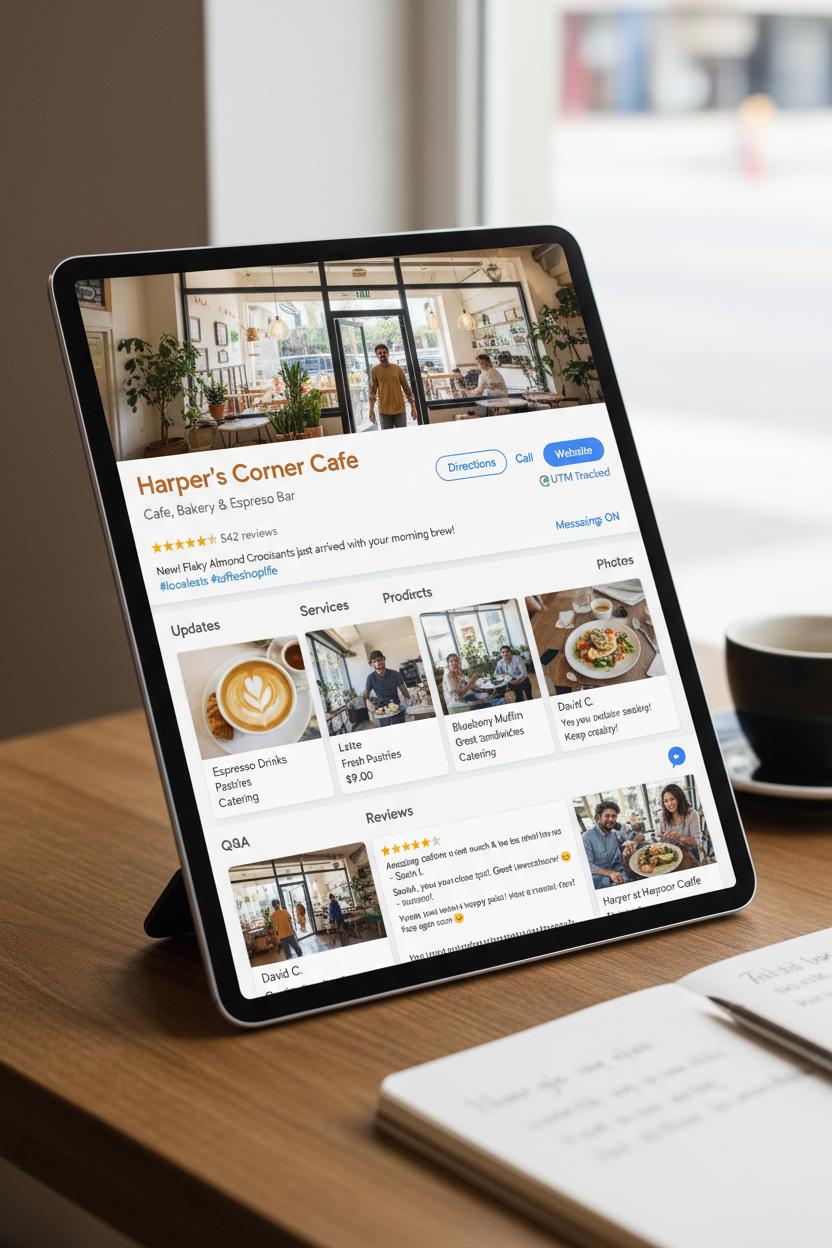
Before you chase shiny hacks, cozy up to the basics—the local seo tips that quietly do the heavy lifting for small business marketing. Start by claiming and fully completing your google business profile, then treat it like your storefront window: spotless, inviting, and refreshed often. Choose the most accurate primary and secondary categories, list every service, add products with prices, and write a warm, keyword-rich description in your brand voice. Upload bright, real photos regularly—your space, your team, your happy customers—and keep hours (including holidays) updated. Reply to every review with gratitude and detail; those little conversations build trust and can nudge your google maps ranking. Post weekly updates, answer the Q&A yourself, turn on messaging if you can handle quick replies, and add UTM tags to your website button so you can track clicks. If setup feels overwhelming, a google business profile guide or even a friendly local seo book can be the hand-holding you need.
Next, lock down consistency. Your name, address, and phone should match perfectly anywhere they appear—your website footer, social profiles, and local citations across directories like Yelp, Bing, Apple Maps, and niche industry sites. Clean, consistent citations are like breadcrumbs that lead Google back to you, and you can speed things up with a reputable citation building tool if manual submissions make your eyes glaze over. On your website, create a simple, scannable homepage section that clearly states what you do and where you do it; sprinkle in neighborhood names and landmarks naturally. Use a keyword research tool to find those sweet, low-competition phrases (think “emergency plumber in Riverdale” or “vegan bakery near East Market”) and weave them into titles, headers, and meta descriptions without sounding robotic. Finally, make reviews part of your daily rhythm: hand customers a tiny card with a QR code, follow up by email or text, and consider review management software to automate reminders and respond faster. Keep it human, keep it helpful, and keep it up—these simple, steady moves are what stack the deck in your favor locally.
Optimize Your Google Business Profile for Maximum Local Visibility

Your Google Business Profile is the cozy storefront window of your brand on the busiest digital sidewalk, so treat it with the same care you’d give a seasonal display. Claim and verify your listing, then lovingly fill every field: the right primary and secondary categories, detailed services, special hours, and a friendly, keyword-rich description that sounds like you. Use a keyword research tool to uncover the phrases your neighbors actually type, and weave them into your description, services, and Posts without sounding stiff. Add crisp photos of your space, team, and work—think bright, inviting, and real. Turn on messaging, add appointment or menu links, and list products if relevant. If you’re just getting started, a local seo book or a step-by-step google business profile guide can make the process feel pleasantly doable.
Next, wrap your listing in social proof. Ask for reviews consistently and make it easy with a short link in your emails, receipts, and DMs. Respond to every review with warmth and specifics; it signals active care and can boost relevance and prominence—two pieces of the google maps ranking puzzle you can actually influence. Consider light automation with review management software so you never miss a mention, but keep replies human. Use the Q&A section to answer your most common questions, and publish weekly Posts with offers, events, or fresh arrivals to keep your profile lively. This is small business marketing at its most visible: helpful, timely, and close to home.
Finally, lock in consistency across the web. Your name, address, and phone should match perfectly on your website and in local citations like Yelp, Bing Places, and Apple Business Connect. If you’re juggling lots of directories, a citation building tool can save hours while preventing typos that quietly dilute trust. Link your website with UTM-tagged buttons so you can see what drives calls and clicks. These local seo tips might feel small, but together they create a bright breadcrumb trail straight to your door—and that’s the kind of neighborhood visibility that compounds month after month.
Boost Google Maps Ranking with Accurate NAP and Categories
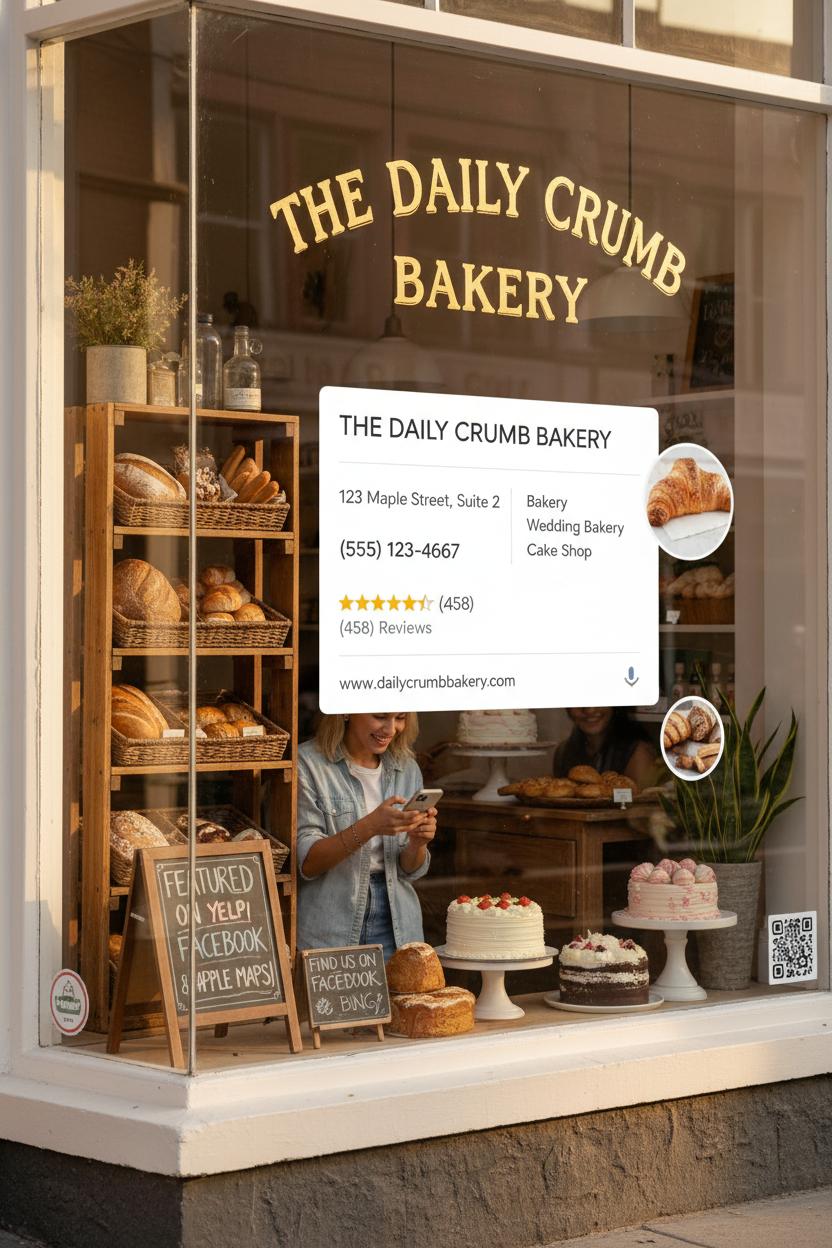
Think of your google business profile like your front window on Main Street—clear, consistent, and inviting. Start by locking in your NAP (Name, Address, Phone) exactly the same everywhere: if you’re “123 Maple Street, Suite 2,” don’t be “123 Maple St., #2” in one place and “Ste 2” in another. Pick one format and stick to it on your website, social profiles, and listings. Avoid using different tracking numbers; if you must, set a tracking number as the primary and your real number as an alternate so Google can reconcile them. Then, choose the right categories with care. Your primary category should match your core offer (your “main dish”), and secondary categories can cover specific services (the “sides”). A bakery might choose “Bakery” as primary and add “Wedding bakery” or “Cake shop” as secondaries. A keyword research tool can help you understand how customers actually search, so your categories speak the same language. Resist stuffing keywords into your business name; let your categories, services, and photos do the heavy lifting for google maps ranking.
Once your profile is tidy, echo that identical NAP across the web with local citations—think Yelp, Apple Maps, Bing Places, Facebook, your Chamber of Commerce, and niche directories in your industry. Consistency here is one of the timeless local seo tips and a small business marketing must. Do a quick audit to fix duplicates and outdated addresses, and consider a citation building tool to speed up the cleanup. Keep your hours, website URL, and service area aligned everywhere, and use review management software to gently request fresh, descriptive reviews that reflect real experiences. If you like a step-by-step approach, a google business profile guide or a local seo book can walk you through best practices without the guesswork. When your NAP is spotless and your categories are on-point, Google gains confidence, customers find you faster, and your brand looks buttoned-up everywhere it appears online—exactly the kind of harmony that nudges your visibility upward and turns searches into foot traffic.
Enhance On-Page Signals and Internal Links for Local Landing Pages
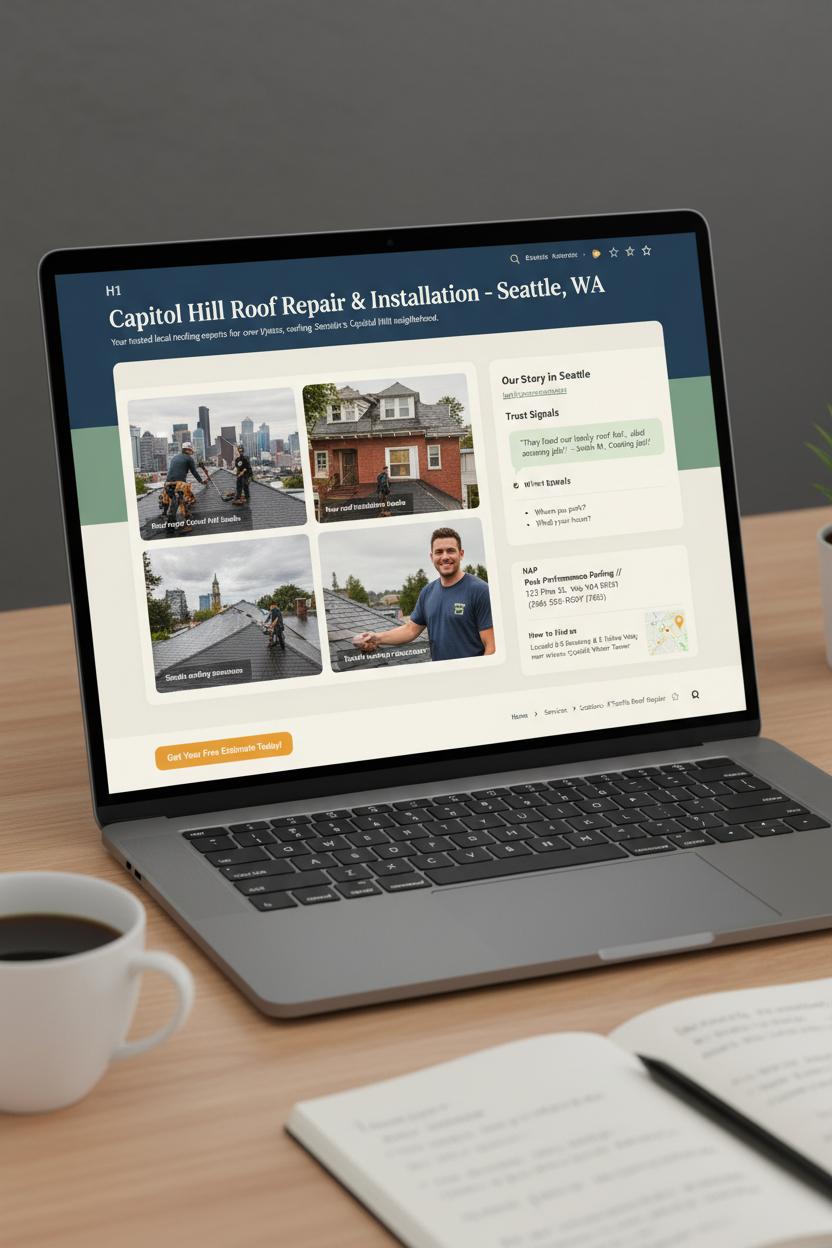
Think of each local landing page as a storefront window: it should glow with clear, cozy signals that tell both people and search engines exactly where you are and what you do. Start with the basics—work your city and service into the title tag, H1, and the first line of copy, then layer in neighborhood landmarks, cross streets, and the kind of sensory details locals recognize. Add your NAP (name, address, phone) in a consistent format, sprinkle in hours and a friendly call-to-action, and use LocalBusiness schema to tidy it all up for crawlers. A lightweight map embed and a “how to find us” section can be delightful for users while reinforcing relevance, and those little touches collectively support your google maps ranking. This isn’t just one of those generic local seo tips—it’s small business marketing that feels human.
Internal links are your quiet superpower. Weave natural, descriptive anchors from your homepage and top service pages to each location page, and back again, so authority flows like warm light through a house. Add breadcrumbs, a footer mini-directory of cities, and context links within blog posts—like “see our roof repair team in Capitol Hill”—to nurture a neat hub-and-spoke structure. Keep copy unique per location to avoid duplicates, and make sure the website link on your google business profile points to the most relevant landing page (UTM tags help you measure what’s working). Pair this with clean local citations that match your NAP everywhere, from industry directories to chamber listings.
Dress the page with trust signals that make visitors exhale. Feature a few real customer quotes, a quick FAQ about parking or timing, and a small gallery labeled with alt text that includes the service and city. If you’re feeling extra, add a short “Our Story in [City]” paragraph that links to your About page—soft, sincere, and great for internal relevance. To build and maintain all this, a simple toolkit helps: a keyword research tool to uncover city-service gems, review management software to keep testimonials flowing, and a citation building tool to keep those local citations spotless. If you’re learning as you go, a practical local seo book or a friendly google business profile guide can be the cozy companion beside your laptop as you fine-tune every page.
Find Hyperlocal Opportunities Using the Right Keyword Research Tool

Here’s one of my favorite local seo tips: go hyperlocal with your keywords, the way your neighbors actually talk about your area. People don’t just search “coffee near me” anymore—they type “latte by the greenway” or “best latte on Maple and 3rd.” Open your favorite keyword research tool and start layering in neighborhood names, cross streets, apartment complexes, parks, schools, and popular event spaces. Then peek at autocomplete, “People Also Ask,” and the map pack to find those delicious long-tail phrases with clear intent. If you’re new to this, a friendly local seo book or a google business profile guide can help you get oriented, but nothing replaces sitting down with a warm drink and digging into the data. Make a short list of phrases that feel like real conversations, not stiff jargon—this is small business marketing with a front-porch vibe.
Next, put those phrases to work where they move the needle. Update your google business profile with hyperlocal descriptors in your description, services, and posts, and use Q&A to answer neighborhood-specific questions people are already asking. Sprinkle those same terms into photo captions and alt text so images help your google maps ranking, too. On your site, create simple neighborhood landing pages, add driving directions from landmarks, and mention nearby hotspots naturally in your copy. Back it up with local citations that match your name, address, and phone number exactly; a reliable citation building tool can save hours here. Encourage customers to mention the street, plaza, or event where they found you when they leave feedback—review management software makes gathering and showcasing those stories a breeze. Keep your ears open offline as well: what people say at the farmers’ market or PTA meeting often becomes tomorrow’s converting keyword. Revisit your list monthly, prune what’s not working, and expand winners into fresh posts or timely offers. With a thoughtful keyword research tool, a grounded sense of place, and a few steady updates, you’ll turn everyday neighborhood moments into measurable visibility—and that’s the heart of sustainable local growth.
Earn and Manage Reviews with Review Management Software
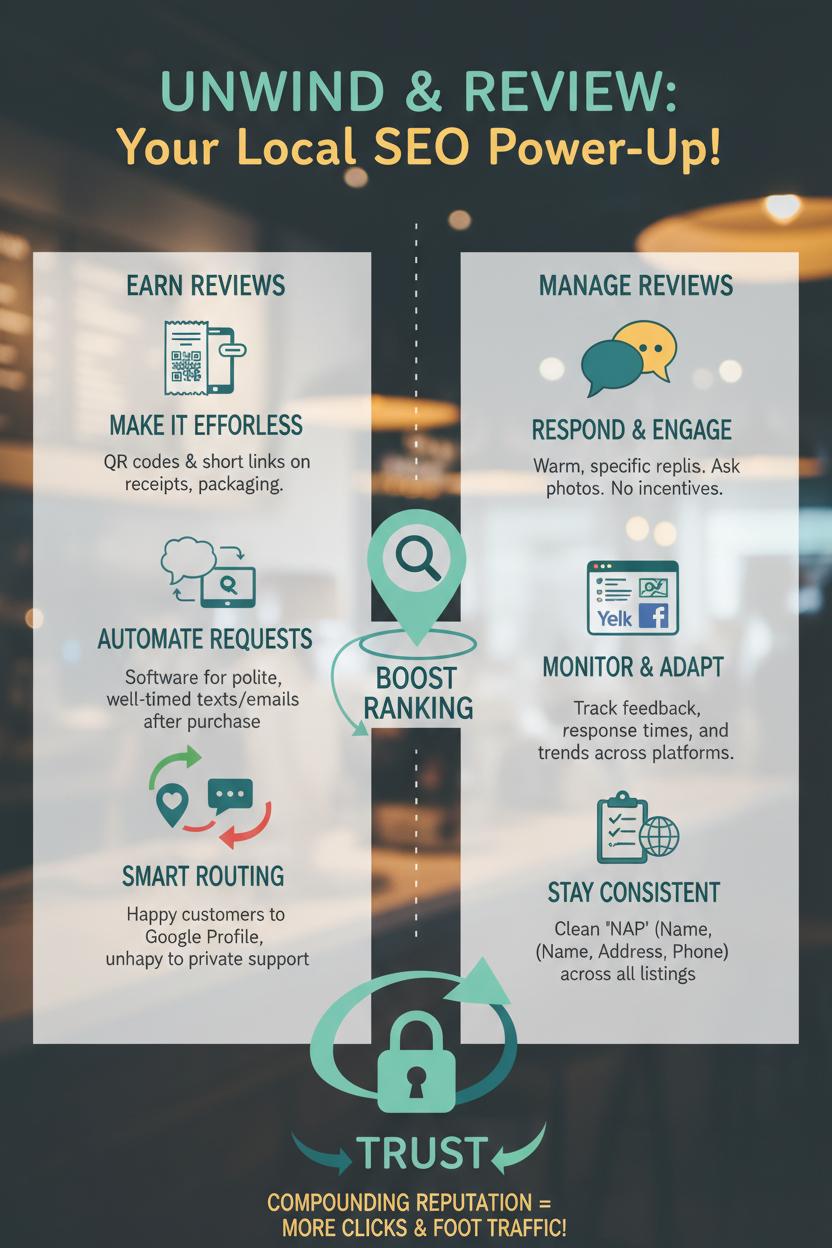
If there’s one thing that moves the needle fast, it’s fresh, enthusiastic reviews. Think of them as little love notes that tell Google and your future customers, “This place is worth it.” Start by making reviews effortless: add a short link or QR code to your receipts, emails, and packaging, and use review management software to automate polite, well‑timed requests after a purchase or appointment. The best tools plug into your POS or CRM, send a quick text or email, and gently nudge happy customers toward your Google Business Profile while routing unhappy ones to private support. That steady stream of feedback signals activity, boosts your Google Maps ranking, and gives you natural content to showcase in posts and photos. If you’re new to this, a quick skim of a local SEO book or a Google Business Profile guide can help you set up the basics, while a keyword research tool can spark ideas for what to highlight in your responses and profile updates. Consider this one of the most practical local SEO tips for everyday small business marketing—low lift, high impact, and totally doable.
Earning reviews is only half the magic; managing them is where trust grows. Respond to every review with warmth and specifics—mention the product, neighborhood, or service, and weave in phrases customers actually use. Ask for photos when appropriate; a few real‑life snapshots on your Google Business Profile can do wonders. Never “gate” reviews or offer incentives—keep it clean and compliant. Use your review management software to monitor new feedback across Google, Yelp, and Facebook, track response times, and surface trends you can fix fast. Pair this with clean local citations so your name, address, and phone number are identical everywhere; a citation building tool makes that tidy work faster and supports your Google Maps ranking. Bonus tip: use a keyword research tool to discover seasonal or service keywords customers love, then reflect those terms in your replies and weekly posts. Between consistent outreach, gracious responses, and rock‑solid listings, you’re building the kind of reputation that compounds—quietly lifting visibility, clicks, and foot traffic day after day.
Maintain Momentum: Audits, Spam Fighting, and Ongoing Local SEO Tips

Momentum is everything with local search, so make a simple monthly ritual that feels as cozy as a Sunday reset. Start with a mini-audit of your Google Business Profile: confirm hours (especially holiday changes), double-check categories and services, refresh product highlights, and add new photos that show off what’s new on the shelf or menu. Post a quick update or offer to keep recency signals strong. Track clicks with UTM tags and peek at GBP Insights to see which queries are driving visibility and how your google maps ranking is trending. Pair this with Search Console to catch new questions customers are asking, then bake those phrases into your next FAQ or service page. These are the kind of local seo tips that compound over time and slot perfectly into your small business marketing routine.
Quarterly, do a deeper sweep. Audit your local citations for clean, consistent NAP across key directories and niche sites; fix stragglers and hunt down duplicates that can quietly siphon trust. If you’re short on time, a citation building tool can help fill gaps without the busywork. While you’re at it, refresh cornerstone pages with seasonal language, new photos, and fresh internal links. Secure a handful of new local mentions—sponsor a neighborhood event, pitch a quick quote to a community blog, or bundle a guide that locals will want to bookmark. These tiny signals reassure Google that your business is active, relevant, and loved right now.
Don’t forget the two unsung heroes: reviews and spam fighting. Set gentle prompts for happy customers and use review management software to request, monitor, and reply with warmth. Then keep the map clean: if you spot keyword-stuffed names, fake locations, or closed competitors still ranking, use “Suggest an edit” or the Business Redressal Complaint Form to report them. It’s good citizenship—and it protects your visibility. Keep a simple spreadsheet of competitors’ categories, posts, and updates so you can notice shifts early. When you need extra guidance, a practical google business profile guide or a friendly local seo book can be a lifesaver, and a lightweight keyword research tool will surface fresh opportunities every month. Local SEO isn’t a one-time project—it’s a cozy habit. Tidy up, refresh, repeat, and watch your map presence brighten.
Conclusion
Cozy wrap: With these local seo tips in your toolkit—polish your google business profile, collect glowing reviews, tidy NAP and local citations, craft neighborhood-focused content, and track results—you’re brewing steady growth. Show up where it counts with a stronger google maps ranking and simple, steady small business marketing that feels doable. Light a candle, batch your updates, and check in weekly: post, reply, and refine. Small steps, local love, big wins.