
Curious how Google decides who gets the spotlight? This guide to SEO basics unwraps search engine optimization in plain English so your site can rank higher. Learn smart keyword research, simple on-page SEO tweaks, and the audit steps pros use. Perfect for bloggers and small business marketing alike, we’ll share favorite keyword research tools and website audit tools, plus a few must-read SEO books and content marketing books to keep you sharp. Ready to turn clicks into customers? Let’s decode the algorithm and build a strategy that works.
What Is Search Engine Optimization? SEO Basics Explained

Think of search engine optimization as the art and science of helping the right people find you at the right moment. At its heart, SEO basics are simple: search engines crawl your pages, index what they find, and then sort results by relevance and quality to answer a person’s question. Your job is to make those answers effortless to discover and delightful to read. That means creating content that actually helps, organizing it so it’s easy to understand, and smoothing away any technical bumps that might hide your best work. When you line up relevance, clarity, and trust, you’re giving your site the signals it needs to rank higher without resorting to gimmicks.
It all starts with keyword research, which is really just listening at scale. What language are your dream readers using? What problems do they want solved? Keyword research tools can reveal the phrases and questions people type into the search bar, and from there, you craft helpful guides, how‑tos, and inspiration that match their intent. On-page SEO is the polish: thoughtful titles and meta descriptions, clear headings, descriptive URLs, image alt text, and internal links that guide visitors deeper. Think of each page as a lovingly styled room—welcoming, intuitive, and unmistakably “you,” but arranged so guests and search engines can navigate with ease.
Beyond the content itself, a healthy foundation makes everything hum. Fast load times, mobile-friendly layouts, clean code, and secure connections quietly boost trust. Website audit tools can point out broken links, sluggish images, or missing tags so you can tidy up without guesswork. Building credibility also happens off-site through mentions and links from places your audience respects. If you love learning by the page, a few well-chosen SEO books and content marketing books can shortcut years of trial and error. And if you’re focused on small business marketing, SEO is that patient, compounding channel that keeps paying you back—one helpful post at a time—so that when someone needs exactly what you offer, they find you first.
On-Page SEO Fundamentals: Titles, Headings, and Internal Links

Think of your page title like the charming marquee outside a boutique—it sets the mood and invites a click. In on-page SEO, your title tag does the heavy lifting for both people and algorithms, so let your keyword research guide it. Place the primary phrase near the beginning, keep it clear and human, and, when it fits, add your brand to seal the vibe. Your H1 is the welcome sign inside, echoing the title while sounding natural; H2s and H3s then arrange your ideas into cozy nooks that are easy to browse. This is SEO basics you can apply today: one H1 per page, descriptive headings that map the journey, and copy that reads like a conversation. If you’re unsure what your audience is actually searching, explore keyword research tools to spot phrasing and intent; a few minutes with those can transform guesswork into a plan. For inspiration on voice and structure, flip through SEO books and content marketing books—perfect companions as you shape pages that feel curated and thoughtful while speaking the language of search engine optimization.
Now weave in internal links—the friendly handshakes that connect your rooms. Link related posts and cornerstone guides with descriptive anchor text (skip “click here”) so readers and crawlers see the path clearly. Group articles into topic clusters and point them toward a main hub to pass authority around like sunshine through a skylight. Refresh older posts to link forward to newer ones, and use website audit tools to surface broken links or orphan pages that need love. This gentle interlinking helps you rank higher because it clarifies context and keeps visitors exploring. For small teams, this is small business marketing gold: start with a few solid pillars, then add supportive posts that link back home. If you’re mapping your content calendar, let your keyword research inform headings and link targets from day one, and revisit quarterly with a light tune-up. A little consistency, a little polish, and your on-page SEO becomes a beautiful, navigable space—built with care, informed by data, and easy for both people and bots to enjoy.
Content That Ranks: Intent, E‑E‑A‑T, and Insights from Content Marketing Books

Before you even open a doc, picture the person you’re helping and the moment they’re in. Are they gathering ideas, comparing options, or ready to buy? Great content starts with search intent: informational, comparison, transactional, even that quick navigational hop. When you ground your writing in intent, the rest of the SEO basics click into place, because keyword research stops being a list of terms and becomes a trail of questions your reader is already asking. Think of it like arranging a mood board for their problem, then filling it with helpful answers, gentle how-tos, and practical links. If you’re unsure where to begin, lean on keyword research tools to uncover the language your audience uses, and keep a light touch with on-page SEO—clear titles, scannable headings, descriptive alt text, and internal links that guide like friendly signposts—so your pages feel human and still rank higher.
Next comes the cozy backbone of credibility: Experience, Expertise, Authoritativeness, and Trustworthiness. E-E-A-T blossoms when you share what you’ve actually tried, show your work with photos or screenshots, cite sources, and update posts as things evolve. Add a byline, a brief bio, and a sprinkle of real-world examples—especially if you’re writing for small business marketing—so readers sense there’s a steady hand behind the words. A quick check with website audit tools can reveal broken links, thin pages, or slow images that quietly erode trust. And don’t forget the soft touches that matter: transparent pricing notes, pros and cons, FAQs, and a warm tone that puts people at ease while still speaking the language of search engine optimization.
If you love learning-as-you-write, dip into SEO books and content marketing books for frameworks that keep ideas flowing. Many suggest clustering topics, outlining before drafting, and weaving story with stats—smart habits that make on-page SEO effortless because your structure is already clear. Use your keyword research tools to group related questions, then map each cluster to a tidy, satisfying article. As you publish, run occasional health checks with website audit tools and refresh posts seasonally. This is the gentle rhythm of content that ranks: match intent, embody E-E-A-T, and let each paragraph feel like friendly guidance. Do that, and you won’t just rank higher—you’ll be remembered.
Technical Foundations: Core Web Vitals, Site Speed, and Website Audit Tools

When we talk about the technical side of search engine optimization, think of it like tidying your digital front porch so guests want to linger. Core Web Vitals are the little hospitality cues Google notices: how quickly your largest content appears (LCP), how stable the page feels as it loads (CLS), and how swiftly it responds when someone taps or clicks (INP). These metrics are the quiet backbone of SEO basics, and together with site speed they signal that your pages are easy, comfy, and dependable. Faster loads mean visitors stick around, and sticky visitors help you rank higher. Start simple: compress images, lazy-load galleries, trim heavy scripts, and use a lightweight theme. A good host also thinks mobile-first—test your pages on a phone the way your audience actually browses.
To see what’s working, lean on website audit tools. Google PageSpeed Insights, Lighthouse, and Search Console give you friendly, color-coded hints; third-party website audit tools go deeper with crawl errors, redirect chains, and schema suggestions that boost on-page SEO. Treat these audits like seasonal housecleaning: fix broken links, set proper caching, add descriptive alt text, and clarify headings so both humans and bots can find their way. While you’re at it, pair technical tuning with smart keyword research, because fast pages still need the right topics. Keyword research tools help you uncover phrases your audience is already searching for, then you can weave those naturally into titles, meta descriptions, and cozy, helpful copy.
If you love learning by the lamp light, browse a few SEO books for a deeper dive into search engine optimization fundamentals, and keep inspiring content marketing books nearby to guide your storytelling. Many are written with small business marketing in mind, translating tech speak into practical steps you can finish over a weekend. Take notes, build a checklist, and treat improvements like a habit rather than a one-time sprint. With steady tweaks to speed, Core Web Vitals, and on-page SEO—backed by thoughtful keyword research—you’ll create a site that feels delightful to visit and is primed to rank higher, not just once, but season after season.
Measuring Success: Analytics, Search Console, and Iteration

Think of measurement as the cozy afterglow of your hard work—the moment you curl up with a cup of coffee and peek at the story your site is telling. In Google Analytics, set simple, meaningful goals that match your real-life wins: email signups, product purchases, consultation requests. Check organic sessions and engagement weekly, and compare them to a baseline so you can see the shape of progress. Add little notes on the days you publish a new guide or refresh a title; those breadcrumbs help connect actions to outcomes. This is SEO basics in motion: search engine optimization isn’t a one-time trick, it’s a rhythm. Look at which landing pages pull in the most organic visitors, which posts hold attention, and where people convert—then loop that insight back into keyword research and gentle on-page SEO updates like clearer headings, more helpful FAQs, and naturally woven internal links.
Now open Search Console for the “x-ray view.” The Performance report shows queries, impressions, average position, and click-through rate; it’s where you spot pages with high impressions but low CTR and polish titles and meta descriptions to invite more clicks. Check which URLs hover on the cusp of page one and give them love: better subheadings, faster load times, tighter intro paragraphs. Review Index Coverage and Core Web Vitals to catch crawl errors or speed slowdowns, and resubmit sitemaps when you ship updates. When you’re unsure what to tackle next, lean on keyword research tools to uncover intent-rich phrases, and website audit tools to surface technical snags you might miss. If you like to study between sprints, keep a couple of SEO books or content marketing books on your desk; they’re perfect companions for steady, small business marketing momentum. The secret is iteration: choose one hypothesis each week—tweak a headline, reorganize a how-to, add a comparison section—measure, learn, repeat. Over time, those tiny improvements compound, helping your best pages rank higher while keeping your strategy calm, thoughtful, and beautifully sustainable.
Common SEO Mistakes to Avoid: Thin Content and Over-Optimization
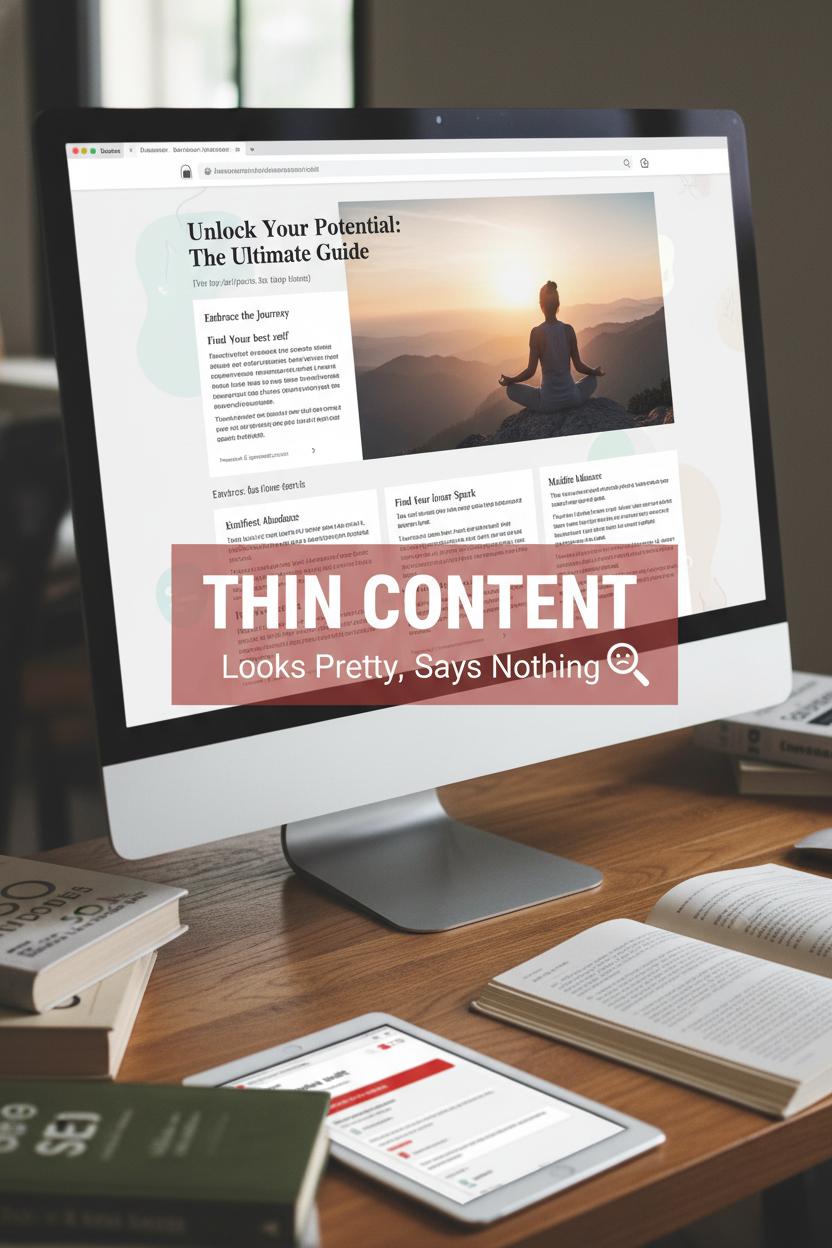
If you’ve ever stared at a blog post and thought, “This looks pretty, but does it actually help anyone?” that’s thin content waving hello. In the world of SEO basics, thin content is any page that says a lot without saying much—shallow tutorials, duplicate descriptions, or posts that skim the surface without answering real questions. Search engine optimization thrives on usefulness, so think depth, originality, and clarity. Fold in examples, step-by-steps, FAQs, and links to related posts so people can truly solve a problem. A quick pass with website audit tools can reveal low-value pages, thin word counts, or duplicate titles. If you’re not sure how to enrich a topic, browse SEO books or content marketing books for frameworks that help you turn a flimsy idea into a resource. The goal isn’t just to publish more—it’s to publish better, so your pages earn trust and ultimately rank higher.
On the flip side, over-optimization is like over-salting a beautiful meal. You can have great keyword research and still smother the experience with repetitive phrasing, stuffed footers, and stiff, exact-match anchors. On-page SEO should read like a conversation, not a checklist—use natural language, synonyms, and intent-friendly headings that guide skimmers and satisfy researchers. Let your primary phrase show up where it matters (title, intro, one subhead), then let variations breathe. Anchor text should feel like how a friend would recommend a link, not a robot. If you find yourself forcing the same term into every paragraph, step back and revisit your keyword research tools to map a cluster of related queries and spread them thoughtfully across multiple pages.
A balanced approach looks like an editorial calendar that pairs cornerstone guides with snackable how-tos, refreshes outdated posts, and trims the fluff. For small business marketing teams, a monthly sweep with website audit tools plus a skim through new SEO books can keep best practices fresh without chasing fads. Treat search engine optimization as hospitality: welcome visitors, answer generously, and make it easy to keep exploring. Do that consistently, and you won’t need to shout your keywords to rank higher—you’ll earn it.
Learning Path: Best SEO Books and Trusted Resources

If SEO feels like a maze, start with the gentle path: a few well-chosen SEO books that walk you through SEO basics and the bigger picture of search engine optimization. Pair a beginner-friendly guide with content marketing books so you see how blog strategy, storytelling, and internal links all dance together. If you’re in small business marketing, look for titles with checklists and case studies—practical, action-first pages you can copy and pin to your workflow. As you read, focus on the core building blocks: keyword research for finding what your audience actually types, on-page SEO for clean titles, headers, and meta descriptions, and simple technical fixes that make your site fast, crawlable, and easy to love. Master these, and you’ll naturally rank higher over time.
Once the foundations click, layer in tools that make the work feel lighter. Try a few keyword research tools to compare search volume, intent, and difficulty, then build content ideas around what you can realistically win. Keep a running spreadsheet of themes, questions, and long-tails you discover—your future content calendar will thank you. Run regular checkups with website audit tools to spot broken links, sluggish images, or missing schema; think of it as tidying your digital home before guests arrive. If you want to go deeper, explore site crawlers and page speed testers, plus browser extensions that surface quick on-page SEO insights while you browse.
For ongoing learning, bookmark trusted voices and make a mini ritual of it. Skim Google Search Central updates, read a weekly blog from industry veterans, and dip into a podcast while you’re editing photos or planning social posts. Save favorite how-tos, templates, and checklists to your inspiration board so you have a swipe file when ideas run dry. And don’t be afraid to test—publish, measure, refine, repeat. Over a few seasons of steady reading, a toolkit of reliable keyword research tools and website audit tools, and a shelf of go-to SEO books and content marketing books, you’ll build a confident rhythm that supports both creativity and results—exactly what you need to grow with grace in small business marketing.
Putting It All Together: An SEO Basics Checklist to Rank Higher

Think of this as your cozy, color-coded checklist—the one you keep by your laptop so every blog post and page feels intentional and polished. Start with the SEO basics: who are you writing for, what problems are they trying to solve, and how does your brand uniquely help? That clarity fuels search engine optimization from the very first sentence. Do quick competitor scans, gather a list of questions your audience is actually asking, and map those to pages on your site, so there’s a logical home for everything. When you approach SEO like this—slow and steady, with purpose—you’ll feel the difference in your workflow, and your readers will feel it too.
Next comes the heartbeats: keyword research and on-page SEO. Choose one primary phrase and a few closely related terms, then weave them naturally into your title, intro, headers, and image alt text. Write meta titles and descriptions that read like little invitations, not just stuffed strings of words. Keep paragraphs skimmable, add internal links like gentle handshakes to related content, and make sure your pages load quickly on mobile. Refresh older posts with updated stats, new images, and clearer structure, then resubmit them so search engines catch the glow-up. Wrap each piece with a simple call to action—newsletter signup, product page, or a helpful guide—so readers have a next step and you steadily rank higher for the topics that matter most.
Finally, equip yourself with tools and tiny rituals. A few well-reviewed SEO books and content marketing books can level up your strategy in an afternoon, while keyword research tools help you spot patterns and priorities without guesswork. Run website audit tools monthly to catch broken links, slow images, and sneaky technical snags, and keep a lightweight dashboard of the pages you’re tracking—perfect for small business marketing where time is precious. Set a weekly hour to plan content, a monthly hour to audit, and a quarterly hour to prune or consolidate underperformers. Keep it simple, keep it kind to your schedule, and let consistency do the heavy lifting.
Conclusion
Now that you know the SEO basics—how crawlers read, how relevance and authority work—take a breath and make small, steady tweaks. Start with keyword research, polish your on-page SEO, and keep creating helpful content so you steadily rank higher. Think of search engine optimization like tending a cozy garden: consistent care, clear structure, and natural language. Brew a cup of tea, update a headline, improve a meta description, and watch momentum grow—one optimized page, one kind reader, one step at a time.